Wilderness Landscape & Natural Heritage
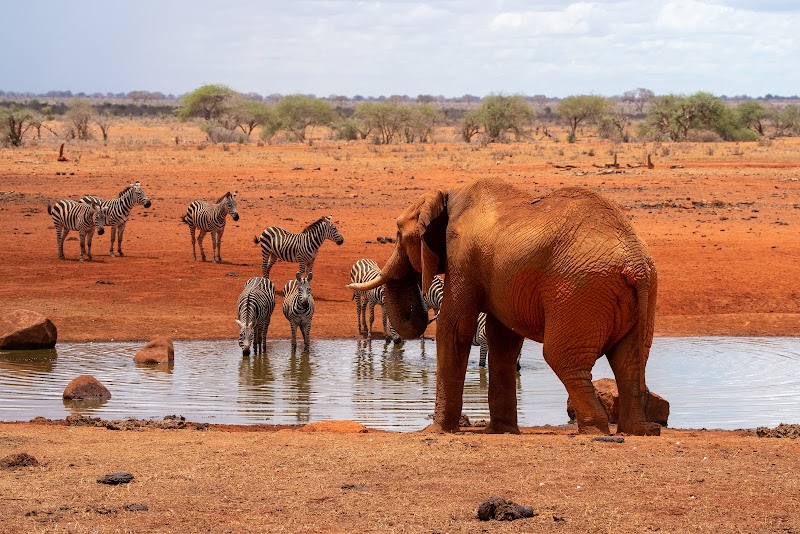
The Tana River Delta Ramsar Site is one of East Africa’s most important wetland ecosystems, spanning approximately 1,500 square kilometers where the Tana River meets the Indian Ocean. This expansive delta consists of mangroves, freshwater and saltwater flooded grasslands, riverine forests, and coastal dunes. It supports a rich diversity of habitats that provide breeding and feeding grounds for over 500 bird species, including several migratory birds, as well as mammal species like the endangered Tana River red colobus and crested mangabey primates. The area's saline and freshwater interfaces support various fish species crucial to local fisheries. Historically, the delta is home to local indigenous communities such as the Pokomo and Orma, who depend on its resources for traditional agriculture, fishing, and cattle grazing. Outdoor enthusiasts visiting the delta can engage in guided wildlife viewing, bird-watching safaris, and boat tours along the tidal channels. The natural features of the delta, including large mangrove forests and tidal flats, create dramatic landscapes and excellent photography opportunities, particularly during seasonal floods. Conservation efforts focus on protecting the delta from expanding agriculture and industrial development while balancing community livelihoods. Its remote location and limited infrastructure mean visitors should plan carefully and travel with authorized local guides. The blend of coastal and freshwater ecosystems combined with rich biodiversity makes the Tana River Delta a crucial conservation area and a rewarding destination for eco-tourism focused on wetlands and wildlife.