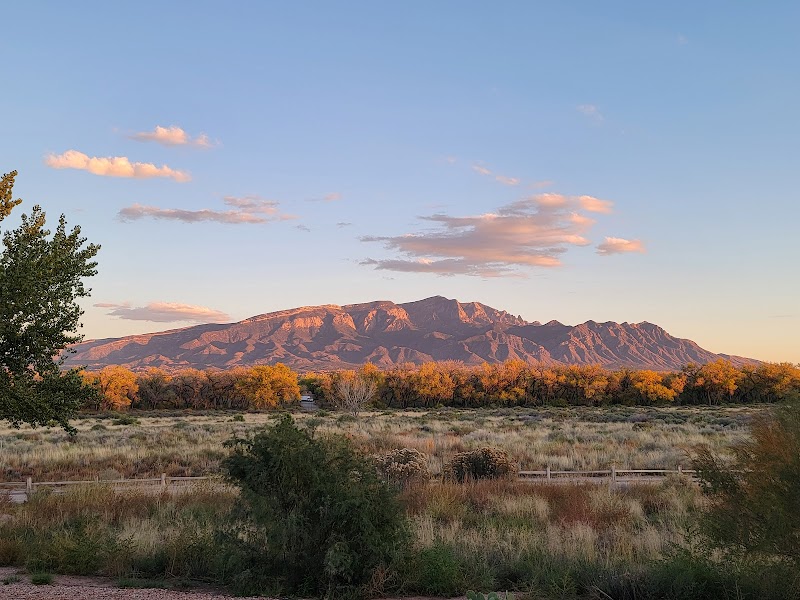
Wilderness Landscape & Natural Heritage
The Tapajós-Arapiuns Extractive Reserve is located in the heart of the Brazilian Amazon, along the banks of the Tapajós and Arapiuns rivers within the state of Pará. Covering over 642,000 acres, this reserve is designated for sustainable use by traditional populations, including rubber tappers, Brazil nut harvesters, fishermen, and small-scale farmers. The landscape primarily consists of dense tropical rainforest, seasonally flooded várzea forests, and a network of rivers and streams that sustain rich aquatic biodiversity. The area is home to an extensive variety of flora and fauna, including several endangered species such as the giant otter and Amazonian manatee. The reserve was established in 1998 to protect both the environment and the livelihood of local communities by regulating resource use and preventing deforestation. Visitors to the Tapajós-Arapiuns Extractive Reserve gain insight into indigenous and local ways of life, traditional extractive practices, and pristine natural settings. Recreation mainly involves guided river journeys, birdwatching, wildlife spotting, and cultural exchanges with local residents. Unlike conventional national parks, the reserve emphasizes low-impact activities, with limited infrastructure, favoring ecotourism and community-based initiatives. Notable landmarks include the extensive river channels of the Tapajós and Arapiuns, natural beaches formed by sedimentation, and rich biodiversity hotspots along riverbanks. The reserve’s remote location and cultural significance make it appealing to eco-adventurers and researchers interested in sustainable forest management, biodiversity, and Amazonian ecosystems.