Wilderness Landscape & Natural Heritage
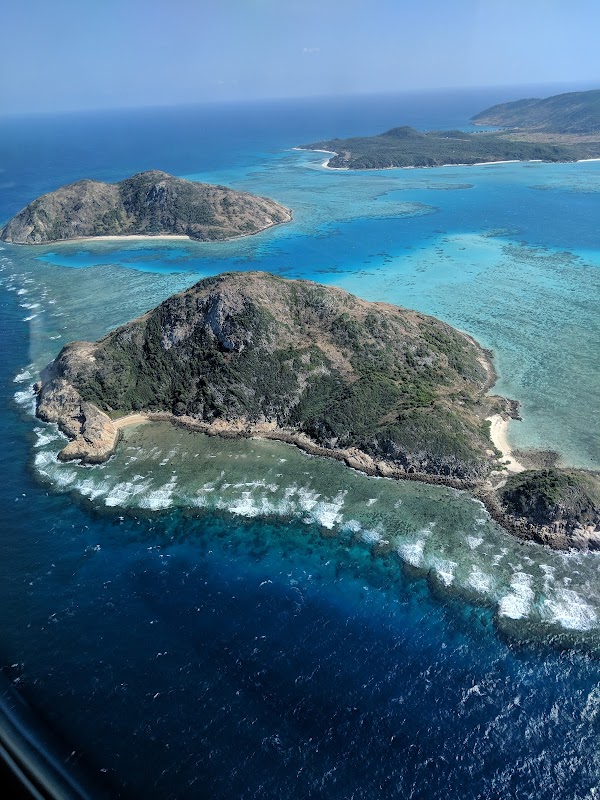
Tetepare Island Conservancy encompasses the entire 8,000-hectare Tetepare Island, located in the Western Province of the Solomon Islands. It is the largest uninhabited tropical island in the South Pacific, covered in dense rainforest and surrounded by coral reefs teeming with marine life. The island is of significant ecological importance, supporting endangered species including the rare New Georgia monkey-faced bat and the vulnerable Solomons cockatoo. The island's forests are rich with endemic plants and birds, making it a critical area for conservation efforts. Established as a community-based conservancy managed by local indigenous clans, the island balances protection with sustainable eco-tourism that offers guided hikes, snorkeling, kayaking, and cultural exchange opportunities. The terrain includes rugged hills, freshwater streams, and mangrove-lined shores. Notable landmarks include pristine white sand beaches and vibrant coral reefs, which attract divers and snorkelers interested in exploring some of the most intact marine ecosystems in the region. The island’s isolation and lack of permanent inhabitants provide a rare chance to experience an untouched tropical wilderness. Visitors benefit from knowledgeable local guides who offer insights into the island’s ecological and cultural heritage. Tetepare serves as a model for community-led conservation and sustainable tourism in the Pacific, combining environmental stewardship with economic benefits for indigenous communities. Access is by boat from nearby Solomon Islands communities, making it an adventurous, off-the-grid destination for travelers focused on wildlife viewing, nature photography, and low-impact travel experiences.