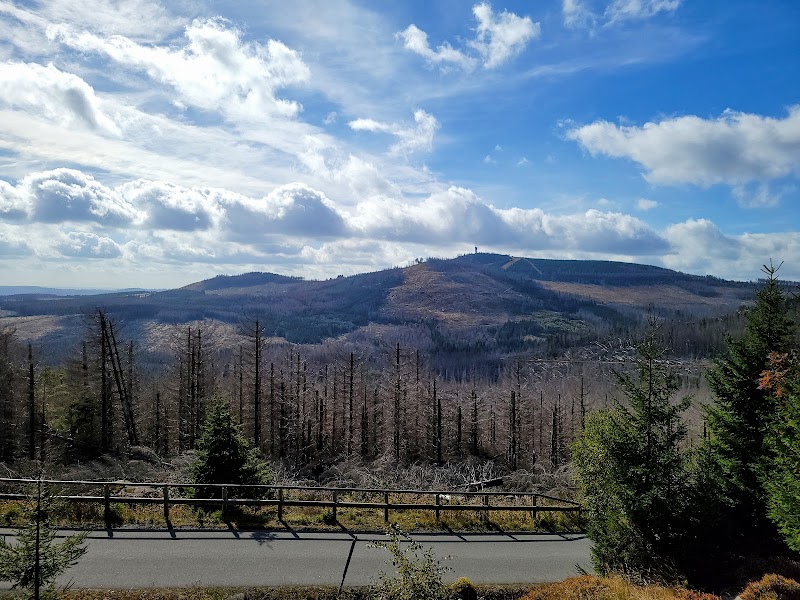
Wilderness Landscape & Natural Heritage
The Teutoburg Forest Nature Park stretches across parts of the German states of North Rhine-Westphalia and Lower Saxony, encompassing a distinctive forested ridge running roughly northwest to southeast. This area, named after the ancient Teutoburg Forest associated with the famous Battle of the Teutoburg Forest in 9 AD, combines steep wooded slopes, expansive meadows, and diverse flora and fauna. The park features dense deciduous woodlands dominated by beech, oak, and spruce trees, providing habitat for wildlife such as deer, wild boar, and numerous bird species. Visitors can explore a landscape interwoven with archaeological sites, traditional villages, and scenic viewpoints.
Hiking is the park’s premier activity, with the well-known Hermannsweg Trail tracing approximately 156 kilometers along the ridgeline offering panoramic views and cultural landmarks, including the Hermannsdenkmal, a monumental statue commemorating the Cherusci leader Arminius. Mountain biking, horseback riding, and nature photography are also popular pursuits. The park's network of trails caters to all skill levels, from easy walks through serene beech forests to challenging ridge climbs. Several historic towns such as Detmold and Bielefeld lie along or near the park, enhancing its appeal with museums, cafes, and regional cuisine. Quiet river valleys and small lakes offer peaceful retreats and fishing spots. The Teutoburg Forest's blend of natural beauty, cultural heritage, and outdoor recreation opportunities makes it a prized destination for locals and travelers seeking a rich nature experience in Germany.