Wilderness Landscape & Natural Heritage
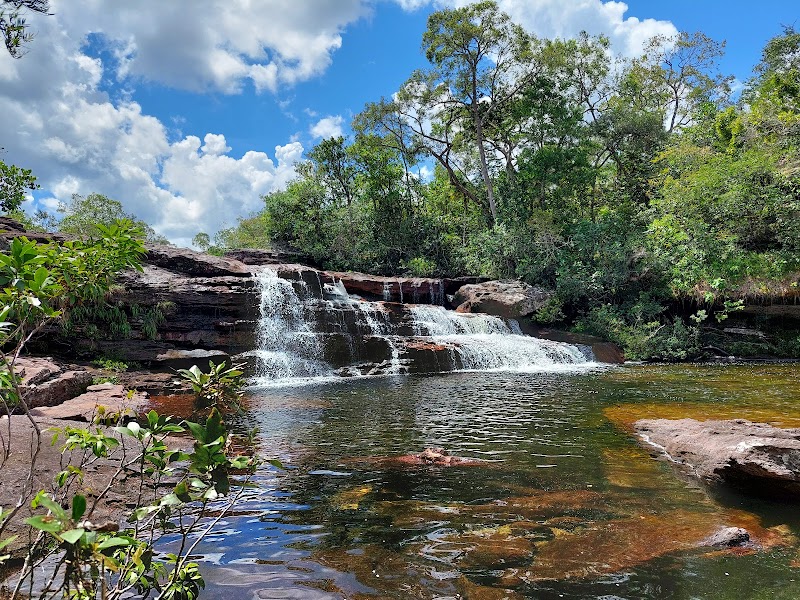
Tinigua National Park, established in 1989, is located in the Caquetá department of Colombia within the vast Amazon Basin. Covering a vast area of lowland tropical rainforest, it serves as a critical habitat for a diverse array of flora and fauna, including endangered species such as jaguars, tapirs, harpy eagles, and numerous primates. The park's geography consists mostly of dense rainforest, rivers, wetlands, and mountainous terrain, contributing to its ecological richness and complexity. Historically, the park and surrounding areas have been inhabited by indigenous communities whose cultural heritage remains part of the region's identity. Due to its remote location and challenging access, Tinigua is less visited than many other national parks in Colombia, offering a true wilderness experience for adventurous travelers and researchers alike. Outdoor enthusiasts can explore the jungle on guided treks, participate in wildlife observation, and canoe on the park’s waterways. Bird watchers are especially rewarded, with hundreds of species recorded in the area. Notable landmarks include the winding Tinigua River and vast forest tracts that remain relatively undisturbed by human activity. The park is vital for ecological research and conservation efforts aimed at protecting Amazonian biodiversity and combating illegal hunting and deforestation. Visitor appeal lies in its raw natural beauty, unparalleled biodiversity, and the opportunity to experience one of the most intact Amazonian forest ecosystems in Colombia.