Wilderness Landscape & Natural Heritage
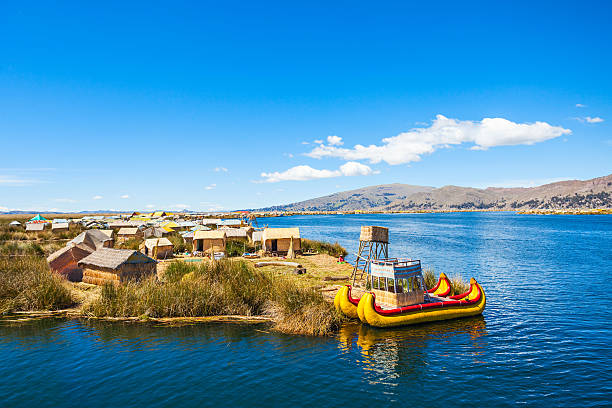
The Tiquina Strait Wetlands lie at the narrowest point of Lake Titicaca, between the mainland and the Peninsula of Copacabana in the La Paz department of Bolivia. This wetland system spans a complex of shallow waters, reed beds, and marshes that form an important transition zone between high Andean ecosystems and the vast lake. The aquatic vegetation supports a wide range of birds, fish, amphibians, and mammals, including several species that are endemic or vulnerable. The wetlands are especially valued for their role in filtering water and supporting local fisheries. Historically, the area has maintained cultural importance for indigenous Aymara communities who utilize the wetlands for traditional fishing and harvesting reeds used in crafting. Key recreational activities include boat tours through the fragile channels, birdwatching to spot species such as the Titicaca grebe and Andean coot, and guided nature walks along designated pathways. There are no large-scale development projects within the wetlands, helping preserve its natural character. The nearby village of San Pedro de Tiquina serves as a gateway for visitors, with ferry crossings linking the two sides of the strait. The gentle landscape and rich biodiversity appeal to ecotourists and researchers alike. Visitors can observe rare aquatic plants and witness the interplay of wetland dynamics influenced by the altitude of more than 3,800 meters above sea level. The wetlands are also an area of conservation focus, with ongoing efforts aimed at sustainable use practices and environmental monitoring to protect this unique Andean water ecosystem.