Wilderness Landscape & Natural Heritage
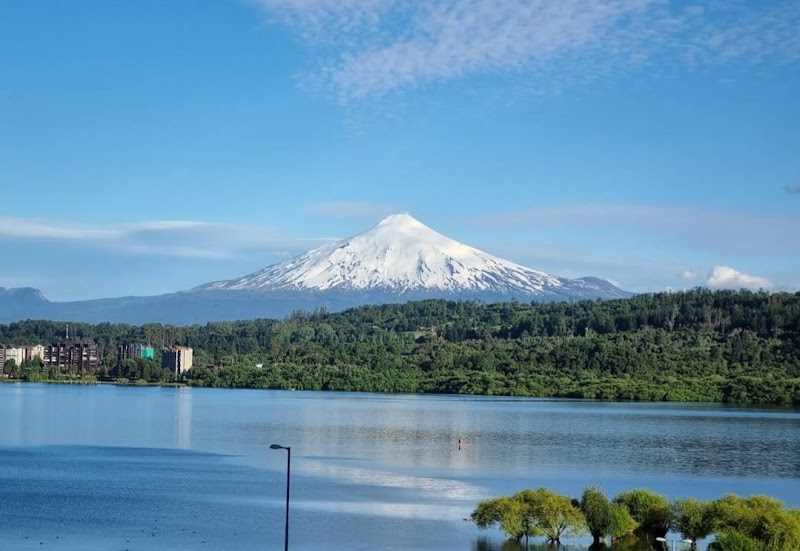
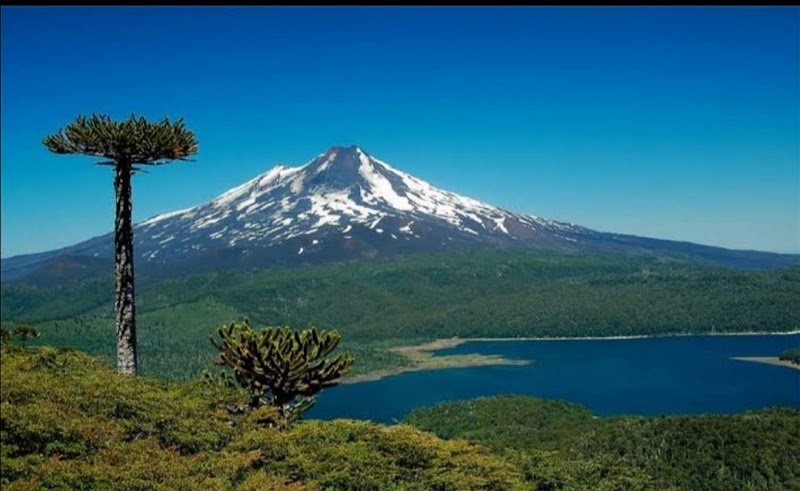
Tolhuaca National Park is located in the Andes of southern Chile, spanning portions of the Ñuble and Araucanía regions. The park covers a volcanic terrain dominated by the Tolhuaca Volcano, which contributes rugged peaks and unique geological features to the landscape. The park is characterized by dense native forests primarily composed of South American monkey puzzle trees (Araucaria araucana), southern beeches (Nothofagus species), and a diverse understory flora. The area supports abundant wildlife including pudú (the world's smallest deer), chilla fox, and a variety of bird species such as the Andean condor.
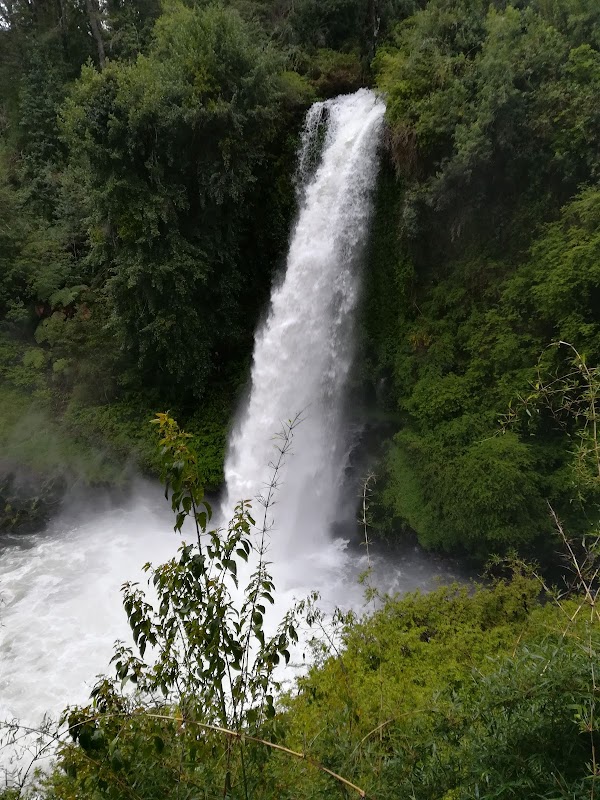
Established in 1935, Tolhuaca has become a critical refuge for preserving the temperate rainforest ecosystem particular to this region. The park offers visitors multiple hiking trails featuring scenic viewpoints, waterfalls, and natural hot springs near the volcano’s crater area. Camping is popular in designated sites, with opportunities to experience wilderness in a temperate rainforest setting. Tolhuaca also attracts climbers aiming for the volcanic peaks and anglers who fish its pristine rivers and streams. The combination of forest, volcanic terrain, and abundant wildlife makes Tolhuaca National Park a favored destination for eco-tourists and outdoor enthusiasts seeking a remote and diverse natural experience.
Accessibility is relatively straightforward via paved roads leading from regional towns, though some interior routes may require high-clearance vehicles. Seasonal weather variation ranges from mild summers perfect for hiking to snowy winters that provide a quieter, snow-covered wilderness. The park’s cultural significance to the indigenous Mapuche people adds an additional layer of interest for visitors wishing to explore regional heritage alongside nature.