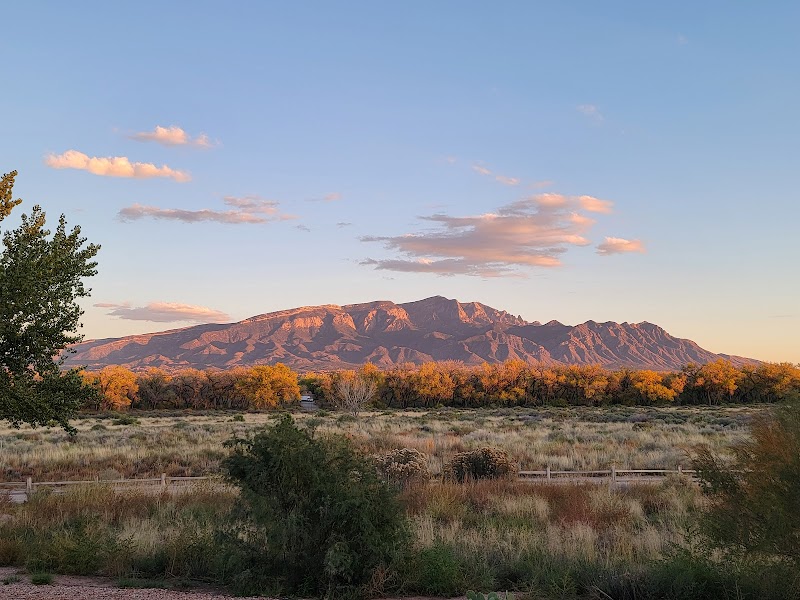
Wilderness Landscape & Natural Heritage
The Trans Canada Trail, also known as The Great Trail, comprises a vast network of multi-use pathways traversing all 13 Canadian provinces and territories. Spanning more than 27,000 kilometers (approximately 16,777 miles), these segments offer diverse recreational experiences ranging from urban promenades to wilderness routes. Geographically, the trail crosses forests, prairies, mountains, wetlands, rivers, and coastal shorelines, providing users access to many of Canada’s iconic landscapes and ecosystems. Ecologically, the trail passes through boreal forests, grasslands, and coastal habitats supporting abundant wildlife including moose, beavers, migratory birds, and rare plant species. Historically, the route integrates sections of indigenous pathways, historic fur trade routes, rail trails, and canal towpaths, reflecting Canada’s cultural heritage and fostering local connections. Recreation opportunities along the segments vary seasonally and include hiking, mountain biking, paddling, horseback riding, and cross-country skiing. Notable landmarks along the trail include the Rideau Canal Waterway, Cape Breton Highlands, Bruce Peninsula, and the majestic Rocky Mountains. The trail is managed by a coordinated network of local organizations, volunteer groups, and governments, ensuring the maintenance and development of safe, sustainable trail conditions. Visitors are drawn by the trail’s accessibility and the chance to explore Canada’s natural and cultural diversity in a unified outdoor experience.