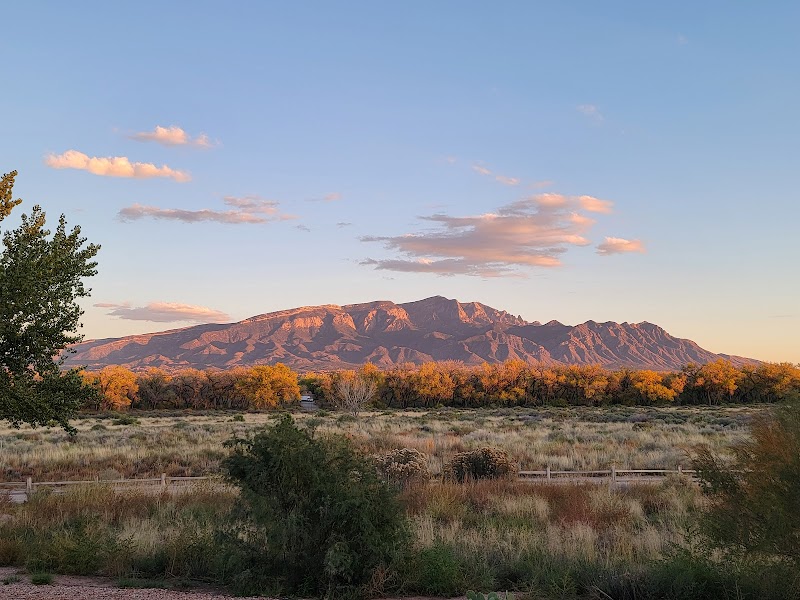
Wilderness Landscape & Natural Heritage
Established in 1993, the Tugursky Nature Reserve protects a unique stretch of the Russian Far East coastline along the Tugur Bay, Sea of Okhotsk. The reserve encompasses a mix of coastal tundra, dense taiga forests, mountain ridges, and river valleys. Its geography is characterized by steep cliffs, pebble beaches, and meandering rivers that create vital habitats for diverse flora and fauna. The reserve plays a crucial ecological role in preserving populations of endangered species, such as the Amur tiger, brown bear, sable, and Blakiston’s fish owl, as well as marine mammals like seals and sea otters. Vegetation shifts from coastal mosses and lichens to dense spruce-fir forests inland, providing rich feeding grounds for herbivores and birds. Human presence is extremely limited due to its remote location and strict protection status. As a strict nature reserve (zapovednik), public access is highly restricted and primarily for scientific research, conservation monitoring, and limited guided eco-tourism sanctioned by authorities. Key outdoor activities include wildlife viewing and nature photography during brief summer seasons, though access to trails is minimal and regulated. The reserve’s remote position near the Sea of Okhotsk makes it a striking example of undisturbed boreal ecosystems and an important refuge for species adapted to cold maritime climates. Tugursky's rugged terrain combined with vast wilderness appeal to researchers and adventurers interested in authentic, off-the-beaten-path natural environments. Its wild landscapes and marine-coastal interface hold special conservation and ecological importance amidst expanding regional development pressures.