Wilderness Landscape & Natural Heritage
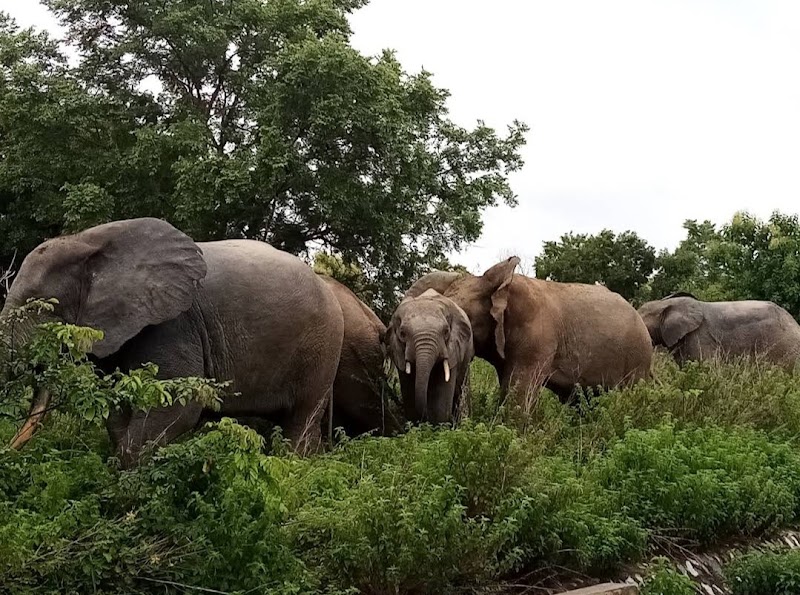
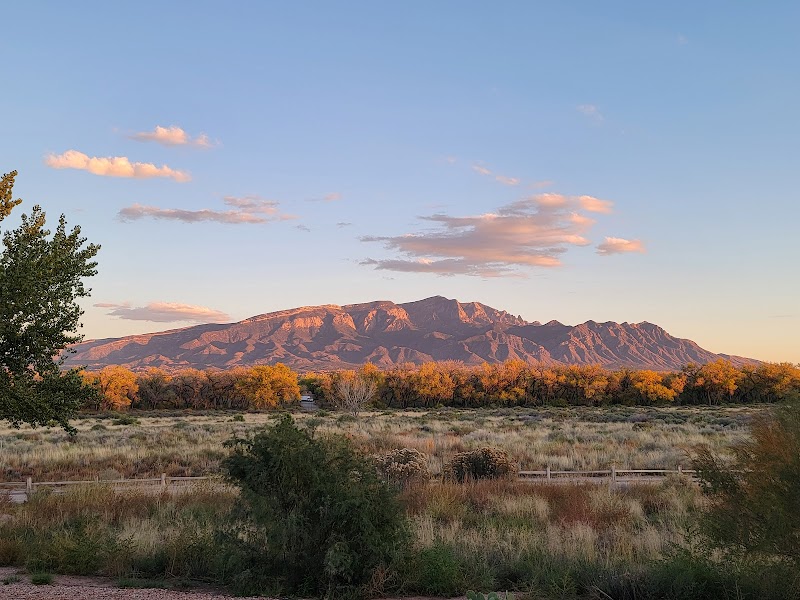
Tumu Wildlife Reserve spans the Upper West Region of Ghana, covering a landscape dominated by savanna woodland, dry grasslands, and scattered forest patches. Established as a protected area to safeguard valuable wildlife habitats, the reserve plays a pivotal role in preserving several vulnerable and endangered species typical of West African ecosystems. Its geography features gentle rolling hills, seasonal rivers, and open plains that attract diverse fauna including elephants, antelopes, buffalo, and a variety of bird species. The reserve is part of the broader network of conservation areas in Ghana that support migratory patterns and regional biodiversity. Historically, the area has been under community and governmental stewardship aiming to balance conservation with sustainable human activity, particularly in relation to pastoral and agricultural land uses in surrounding villages. Recreational activities center primarily on guided wildlife viewing safaris and birdwatching tours that explore the grassland and woodland habitats. Although visitor infrastructure is limited compared to larger parks, the reserve offers a more remote and authentic experience for travelers interested in quiet observation of wildlife and natural scenery. Its relative seclusion and lower visitation level appeal to seasoned wildlife enthusiasts and researchers. Access to the reserve supports important research on species conservation and human-wildlife conflict mitigation, contributing to regional environmental education and conservation awareness. The Tumu Wildlife Reserve is a destination for those looking to experience Ghana’s less-touristed natural environments while supporting conservation efforts that maintain ecological integrity.