Wilderness Landscape & Natural Heritage
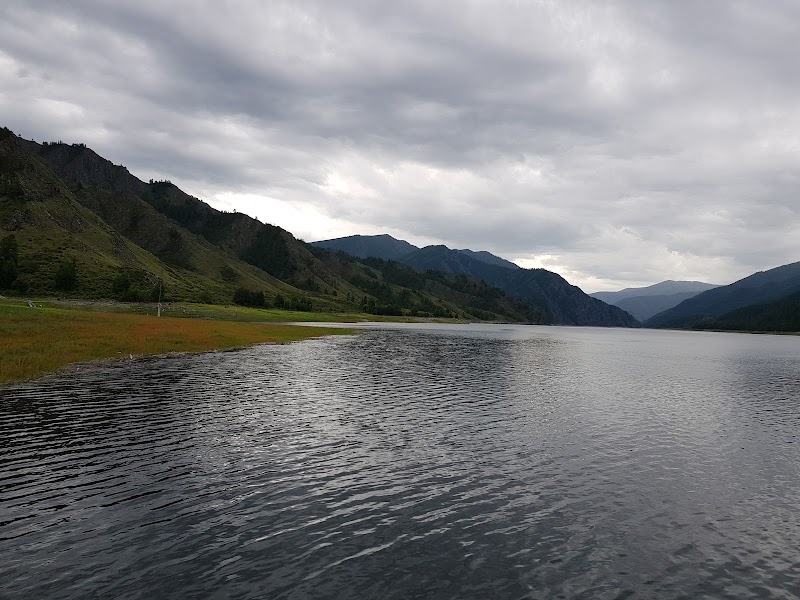
Located at the confluence of the Siberian taiga and Central Asian steppe ecosystems, the Ubsunur Hollow Biosphere Reserve covers a diverse landscape of mountain hollows, forests, steppes, and river valleys. Encompassing approximately five million acres, it is one of the largest intact natural habitats in northern Asia, straddling the border between southern Russia's Tuva Republic and northern Mongolia. The geography includes expansive meadows and wetlands, alpine ridges, and isolated oases that support a remarkable variety of flora and fauna. It is renowned for its populations of elusive and endangered species such as snow leopards, argali sheep, Siberian roe deer, and even the Pallas's cat. The reserve's cultural significance is also notable, preserving traditional nomadic practices and sacred sites of indigenous peoples. Visitors are drawn by the opportunity to experience pristine wilderness off the beaten path, engaging in hiking, horseback riding, wildlife watching, and cultural tours. The region’s remote location offers a tranquil wilderness experience with limited infrastructure, encouraging low-impact visitation. Its designation by UNESCO as a biosphere reserve highlights the global importance of conserving this unique edge-of-ecosystems habitat and sustaining the local communities. Key natural landmarks include the Ulug-Khem River basin, the Kadyn-Aygyr Lake, and the surrounding mountainous landscapes that provide spectacular scenery and critical wildlife corridors. The reserve is an exceptional destination for travelers seeking profound solitude, wild landscapes, and encounters with rare species within one of Siberia’s last wild frontiers.