Wilderness Landscape & Natural Heritage
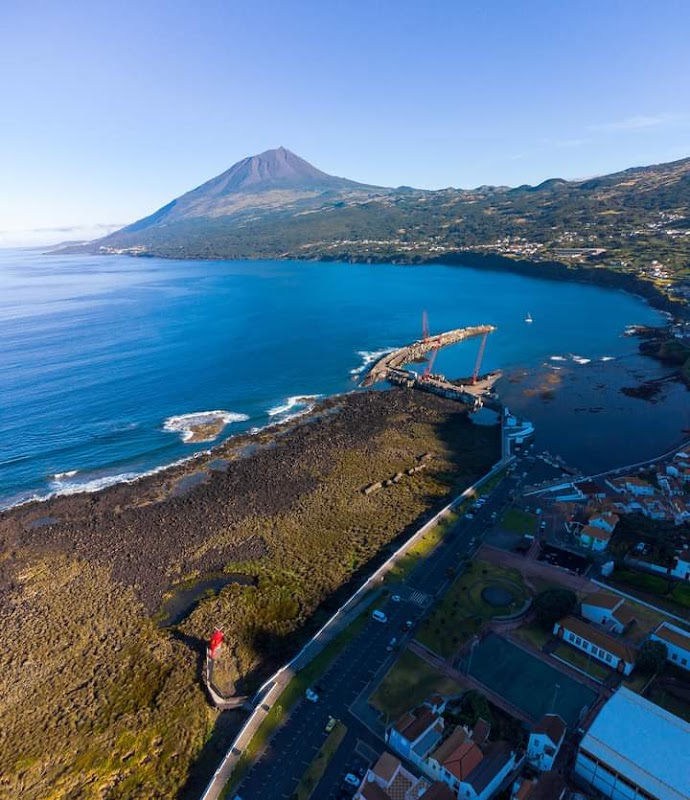
Located on Pico Island in the Azores archipelago of Portugal, the UNESCO Pico Island Vineyard Culture Landscape is a remarkable example of harmonious interaction between human agricultural practices and a challenging volcanic environment. The landscape covers approximately 987 hectares of rugged terrain shaped by ancient lava flows, where local communities have cultivated grapes for wine production since the 15th century. The vineyards are enclosed by meticulously built low basalt stone walls, called 'currais,' which protect vines from Atlantic winds and salt spray, while also preserving soil moisture. This traditional form of viticulture supports the production of the renowned Verdelho wine, a cultural and economic hallmark of the island. Visitors to the area are drawn not only to the extensive network of stone walls and vineyards but also to the site's panoramic coastal views, volcanic formations, and well-preserved rural architecture. Hiking trails and designated walkways traverse the vineyards and nearby lava fields, providing immersive opportunities for photography, cultural tourism, and nature walks. The landscape illustrates a centuries-old sustainable land use system that balances environmental constraints with human ingenuity. Key landmarks include the quaint villages such as Criação Velha and São Roque do Pico, where historic wine cellars and local museums offer insights into vintner heritage. The site’s appeal lies in its blend of cultural identity, natural beauty, and the palpable connection between people and place, making it a must-visit for those interested in agricultural traditions, heritage landscapes, and outdoor exploration amid volcanic scenery.