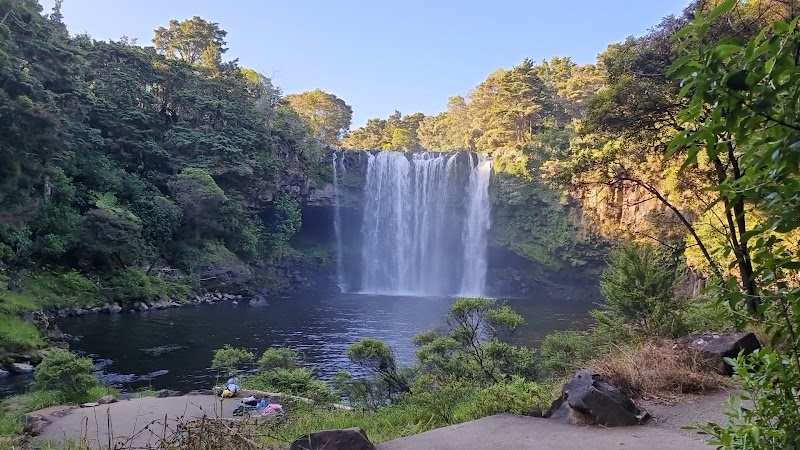
Wilderness Landscape & Natural Heritage
Waitangi National Reserve is located in the Northland region on the North Island of New Zealand, situated on the southern shores of the Bay of Islands. The reserve is primarily celebrated as the site where the Treaty of Waitangi was signed in 1840, an event that established a formal agreement between Māori chiefs and representatives of the British Crown, shaping the foundation of modern New Zealand. Encompassing a blend of cultural, historical, and natural significance, the reserve features beautifully maintained coastal landscapes, native bush areas, and shoreline vistas, providing visitors an opportunity to enjoy walking paths, interpretive exhibits, and historic buildings. Notable landmarks within the reserve include the Treaty House (Te Whare Rūnanga), which serves as a museum and educational center offering insights into the treaty's history and Māori culture. The onsite marae (meeting house) and carved waka (canoes) represent important Māori traditions. Besides its cultural importance, the reserve offers tranquil picnic spots and coastal walks with views of the Bay of Islands, a renowned marine and outdoor recreation area nearby. Visitors often combine history visits with water activities in the surrounding region. The reserve’s appeal lies in its combination of educational value, scenic beauty, and its role as a symbol of nationhood and bicultural partnership. This makes Waitangi National Reserve a must-visit destination for those interested in New Zealand’s heritage, outdoor recreation, and coastal nature.


