Wilderness Landscape & Natural Heritage
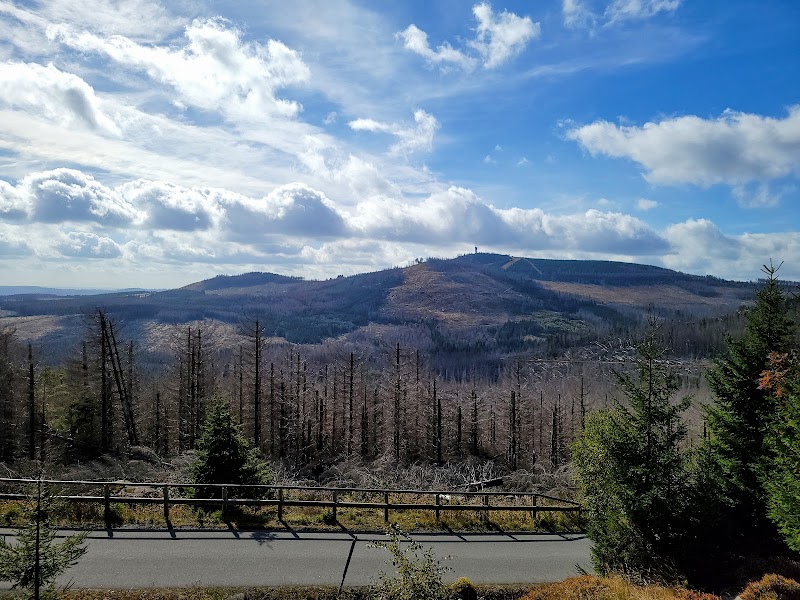
The Weser Uplands Biosphere Reserve is situated in northwestern Germany encompassing parts of the federal states of Lower Saxony, North Rhine-Westphalia, and Hesse. Covering approximately 2,750 square kilometers, it preserves a distinctive upland region characterized by rolling hills, dense mixed forests, fertile meadows, river valleys, and historic villages. The core of the reserve centers on the middle Weser River and surrounding terrain, famous for its diverse flora and fauna including beech forests, oak-hornbeam stands, and protected species such as the black stork and European wildcat. Human settlement and land use have shaped the cultural landscape for centuries, visible in castle ruins, timber-framed houses, traditional farming, and ancient trade routes. Recreation is centered on extensive hiking and cycling trails, river paddling on the Weser, and wildlife observation. Notable landmarks within and near the reserve include the Schaumburg Castle, the Kaiser Wilhelm Tower, and the Weser Skywalk offering panoramic views of the valleys. The reserve emphasizes sustainable land management and combines tourism with conservation and traditional rural economies. Its blend of natural beauty and cultural heritage makes the Weser Uplands a compelling destination for outdoor enthusiasts and history lovers alike.