Wilderness Landscape & Natural Heritage
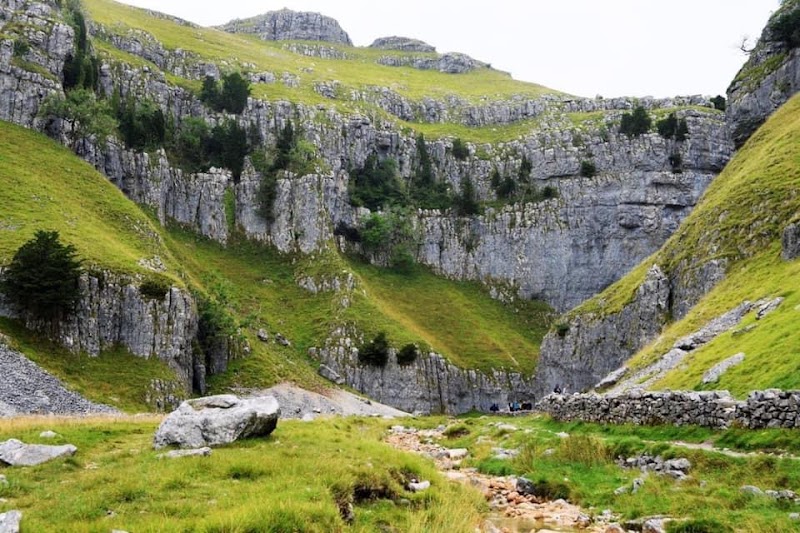
The West Pennine Moors cover approximately 90 square miles of moorland, reservoirs, valleys, and wooded hills located between the cities of Preston, Bolton, and Chorley in Lancashire, England. The area is characterized by its open heather-covered upland, peat bogs, and mixed woodland, creating important habitats for a variety of wildlife, including red grouse, curlews, and birds of prey such as hen harriers. The moors provide a natural water catchment area, containing a series of reservoirs like Wayoh and Turton and Entwistle Reservoirs, which supply water to the surrounding urban communities. The landscape features remnants of ancient stone walls, packhorse bridges, and disused mill towns linking historic industrial heritage with natural beauty. Outdoor enthusiasts are drawn to the moors for hiking, mountain biking, birdwatching, and fishing. Notable natural attractions include Rivington Pike, a popular hill offering panoramic views over Lancashire, and the Anglezarke Reservoir area with access to scenic walking routes. The moors also hold cultural significance with historical landmarks such as the Blackrod Parish Church and old quarry workings. Despite its proximity to urban areas, the West Pennine Moors retain a wild feel and are managed for conservation and recreational use by local trusts and wildlife organizations. The diverse terrain appeals to both casual walkers and experienced outdoor adventurers looking for accessible, varied landscapes with opportunities for solitude and wildlife spotting.