Wilderness Landscape & Natural Heritage
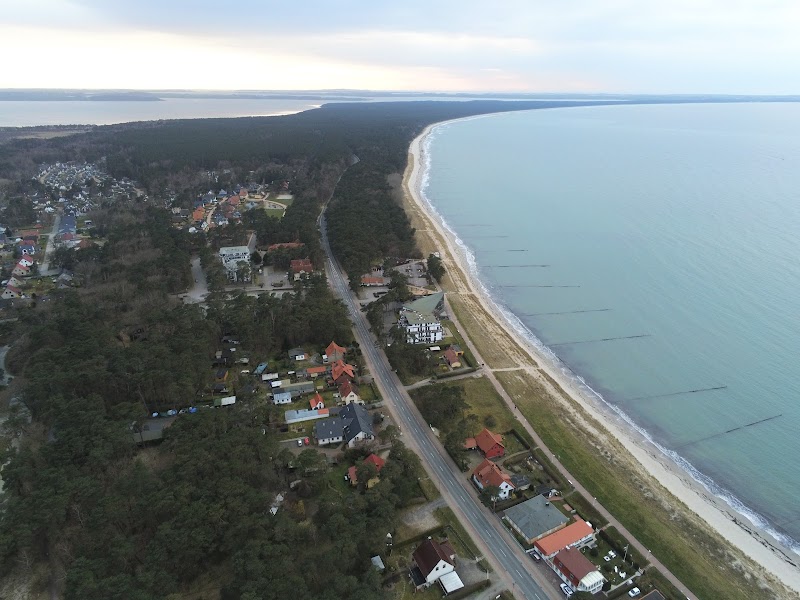
Located in northeastern Germany on the Baltic Sea coast, Western Pomerania Lagoon Coast National Park (Nationalpark Vorpommersche Boddenlandschaft) is Germany’s largest national park featuring a mosaic of coastal lagoons, barrier islands, salt marshes, and extensive shallow waters. Established in 1990, the park covers a land and water area including several bodden lagoons stretching from the peninsulas of Darß and Zingst to the island of Rügen. Its geography is characterized by dynamic coastal processes, wide sandy beaches, reed beds, and pine forests, all shaped by the glacial history and the Baltic Sea. Ecologically, the park serves as one of Europe’s most important resting and breeding grounds for migratory birds along the East Atlantic Flyway, hosting thousands of cranes, geese, ducks, and swans each year. Rare and endangered species like white-tailed eagles and Baltic grey seals are also notable inhabitants. Visitors to the park enjoy numerous outdoor recreation opportunities including hiking and cycling on well-maintained trails, birdwatching from observation towers, guided seal safaris, kayaking on the clear lagoons, and exploring the charming fishing villages dotted along the coast. The park’s landscape offers iconic sights such as the Darßer Ort lighthouse on the Darß peninsula and the pristine sandy beaches of the island of Hiddensee. Its combination of coastal beauty, rich wildlife, and peaceful nature makes it a favored destination for nature lovers, photographers, and eco-tourists seeking immersion in an unspoiled Baltic coastal environment.