Wilderness Landscape & Natural Heritage
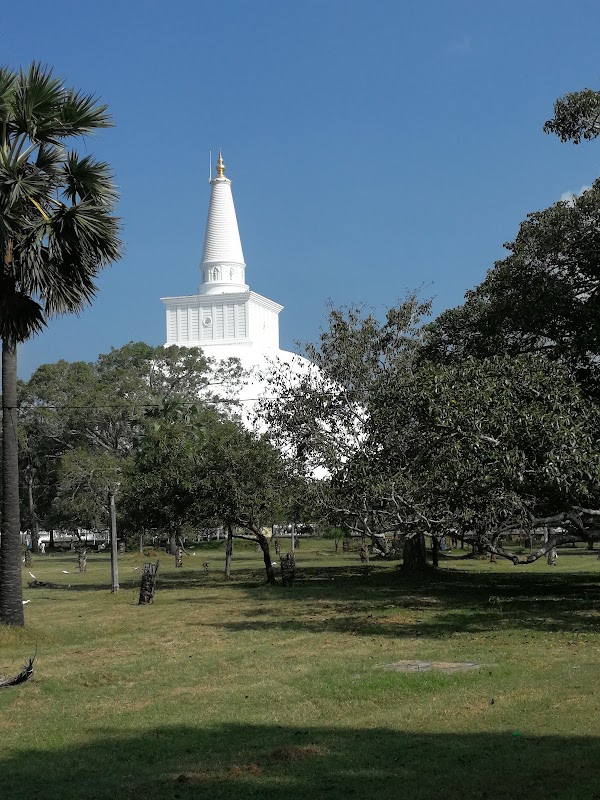
Wilpattu National Park, located in the North Western Province of Sri Lanka, spans approximately 1,317 square kilometers, making it the largest national park in the country. The park’s landscape is dominated by sprawling dry forests and a unique system of around 100 natural lakes known as "willus," which seasonally fill with water and create critical habitats for diverse flora and fauna. Established as a sanctuary in 1938 and declared a national park in 1938, Wilpattu has long been recognized for its rich biodiversity and relatively undisturbed wilderness compared to other popular parks in Sri Lanka. It serves as a vital habitat for a range of species, including Sri Lankan leopards, elephants, sloth bears, and various species of deer and birds, making it a premier destination for wildlife viewing and safari adventures. Visitors can explore the park through jeep safaris that navigate dirt tracks winding around willus, often spotting rare animals at waterholes especially during dry seasons. In addition to its ecological importance, Wilpattu holds cultural significance with several ancient Buddhist ruins and stupas scattered across the park’s interior. Its remote location and less-touristed status offer a quieter, more intimate experience of Sri Lanka’s natural heritage. The park appeals especially to nature lovers, photographers, and adventurers seeking to experience diverse ecosystems including tropical dry forests, scrublands, and wetlands in one expansive protected area.