Wilderness Landscape & Natural Heritage
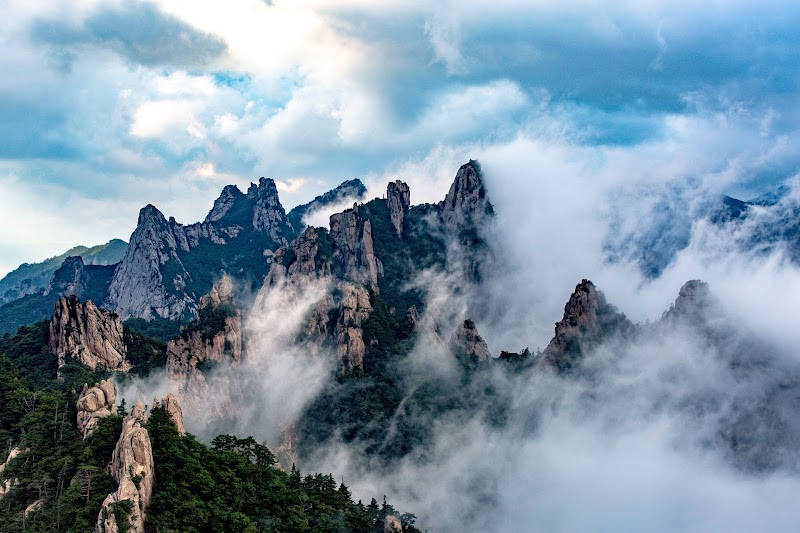
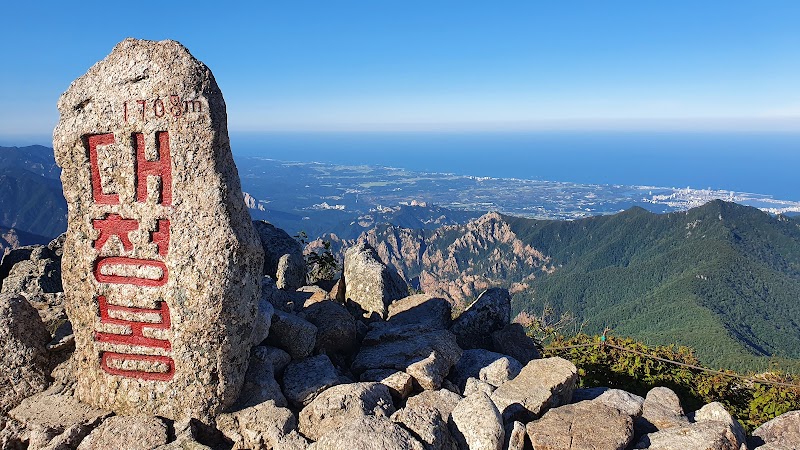
Designated in 1984, Woraksan National Park is situated in the central region of South Korea, spanning the provinces of Chungcheongbuk-do and Gangwon-do. The park’s centerpiece is Mount Woraksan, soaring to 1,094 meters, known for its steep rock formations, dense forests, and diverse terrain. The geography consists of granite peaks, deep valleys, and numerous streams, carving dramatic landscapes shaped over millennia. The park boasts a temperate forest ecosystem, home to a variety of native flora such as pine, oak, and maple trees, which put on spectacular displays in autumn. Wildlife includes Asian black bears, musk deer, wild boar, and several bird species, providing ample opportunities for nature enthusiasts and photographers. Cultural and historical elements also enrich the park; notable sites include ancient Buddhist temples like Cheongnyangsa and Gwanchoksa, which nestle within the mountain valleys and offer a serene glimpse into Korea’s spiritual past. Hiking is the most popular activity, with trails leading to summits, waterfalls such as Daedunsa waterfall, and panoramic viewpoints. Visitors appreciate the balance between wilderness adventure and cultural exploration, enhanced by well-maintained trail networks and designated camping areas. Accessibility from major cities such as Seoul makes Woraksan National Park a favored destination for both day trips and multi-day excursions. The park’s appeal lies in its combination of challenging climbs, scenic vistas, and tranquil forest environments that change dramatically with the seasons, especially vibrant in fall and peaceful covered in winter snow.