Wilderness Landscape & Natural Heritage
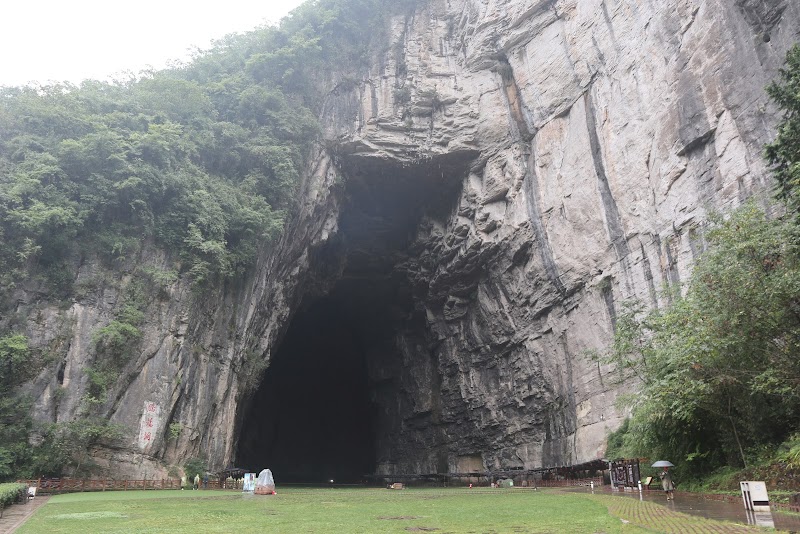
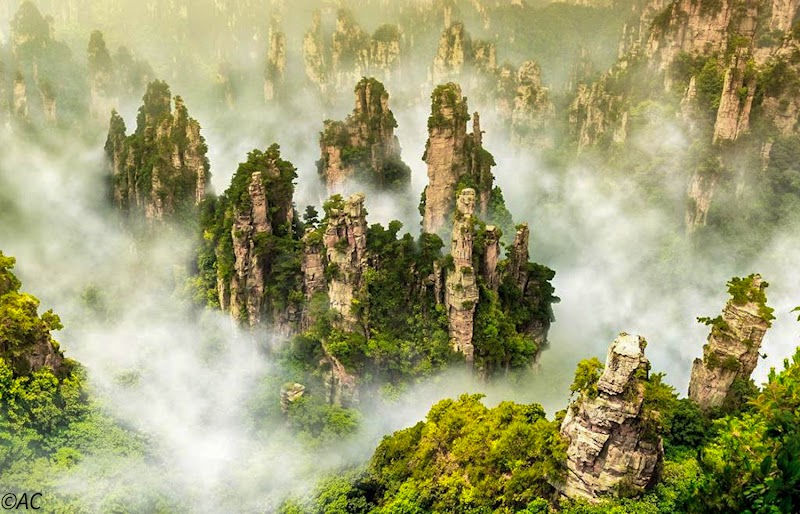
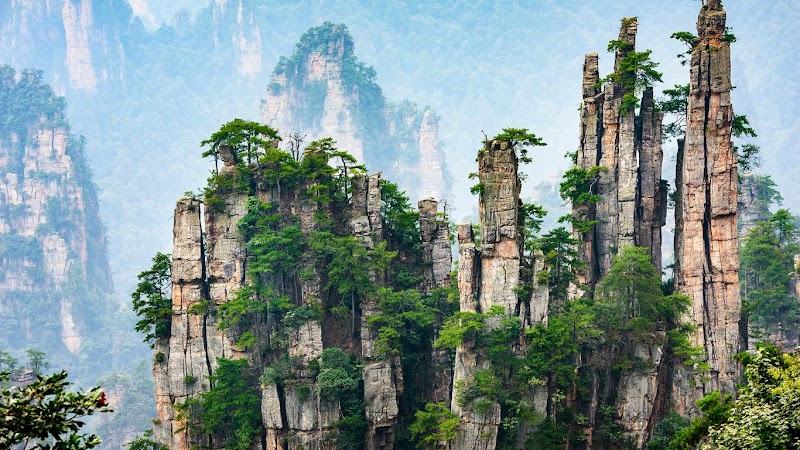
Wuling Mountain Nature Reserve, located at the junction of Hunan, Hubei, and Chongqing provinces in central-south China, encompasses a complex mountainous terrain characterized by steep ridges, deep valleys, and extensive karst formations. The reserve covers expansive forested regions dominated by mixed broadleaf and coniferous species, harboring numerous rare and endemic plants and animals, including several threatened species such as the Chinese giant salamander and Asiatic black bear. Established to protect the fragile ecosystems of the Wuling Mountains—a regional biodiversity hotspot—the reserve presents a mosaic of habitats ranging from subtropical forests to alpine meadows at higher elevations. Historically, the area has cultural significance with remnants of ancient ethnic minority settlements, particularly of the Tujia and Miao peoples, adding a layer of anthropological interest. Visitors are drawn to the reserve for hiking along well-maintained trails that navigate dramatic limestone cliffs, scenic waterfalls, and lush valleys. The reserve also offers opportunities for bird watching, botanical studies, and photography. Notable landmarks include the Tenglong Cave system, one of Asia’s largest limestone caves, and several panoramic viewpoints providing sweeping vistas of the mountainous landscape. Accessibility and various visitor amenities make Wuling Mountain Nature Reserve an appealing destination for outdoor recreation enthusiasts and conservation-minded travelers seeking to experience a blend of natural beauty and cultural heritage.