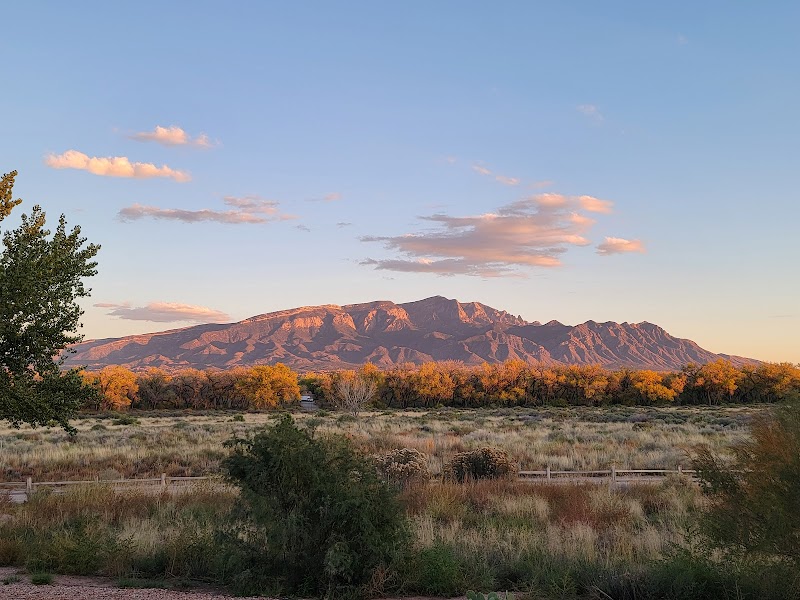
Wilderness Landscape & Natural Heritage
The Yuma East Wetlands are a key component of the Colorado River's riparian ecosystem located on the eastern bank of the river near Yuma, Arizona, extending slightly into California. This protected area covers restored wetland habitats that serve as essential breeding, feeding, and resting grounds for a wide variety of migratory and resident species. The wetlands form part of a larger initiative to rehabilitate the riparian corridor impacted by agricultural use and dam operations upstream. Vegetation includes saltcedar (Tamarisk), willow, cottonwood, and native marsh plants that provide shelter and nesting sites for birds, amphibians, and small mammals. The wetlands are particularly well known for attracting over 250 bird species, making it a prime destination for birdwatchers and nature photographers. Trails and observation points offer visitors easy access to view fauna without disturbing the habitat, while nearby areas provide opportunities for kayaking and fishing in the Colorado River. Historical significance stems from the area's archaeological finds and the role it played in Native American cultures, including the Quechan Tribe, who have inhabited the region for thousands of years. Ongoing conservation efforts focus on invasive species control and water management to maintain the ecological balance. Visitors appreciate the quiet natural beauty contrasted against the surrounding desert and urban development. The wetlands are a peaceful place to experience southwestern desert wildlife and catch glimpses of seasonal migratory birds during spring and fall. Educational signage and guided tours may be available during special events or by arrangement through local nature groups.