Wilderness Landscape & Natural Heritage
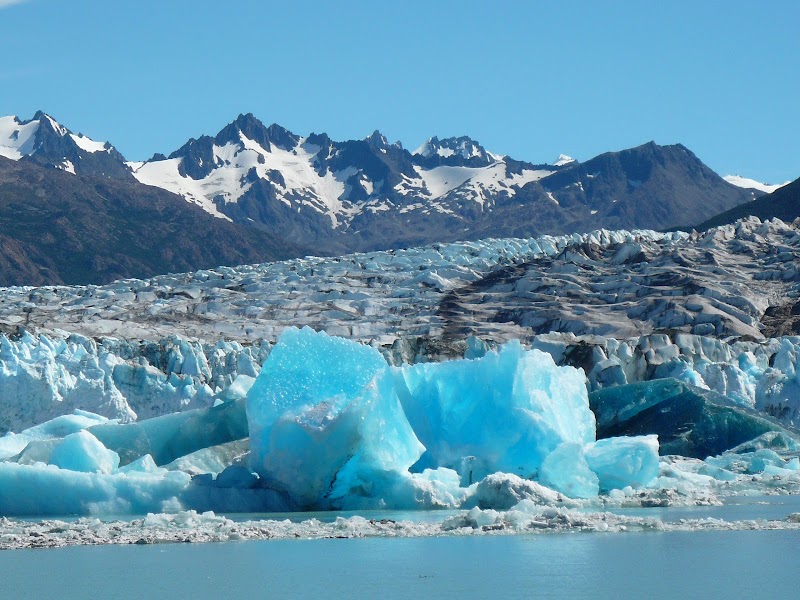
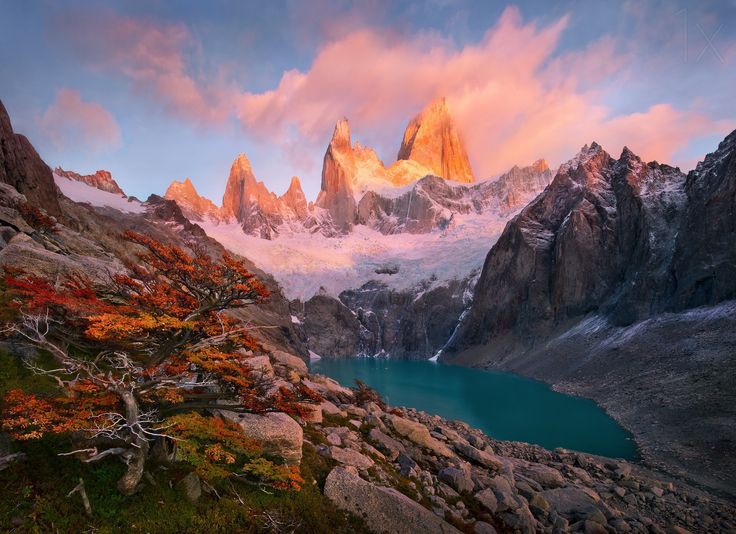
Alacalufes National Reserve is situated along the western coast of the southern Chilean Patagonia, encompassing a vast labyrinth of fjords, channels, islands, and dense evergreen forests. Established in 1983, the reserve covers a large section of the Chilean coastal archipelago, named after the Alacaluf people (also known as the Kawésqar), original inhabitants famed for their seafaring culture and deep ties to these lands and waters. The reserve's geography is characterized by steep mountainous terrain, fragmented by waterways sculpted by glacial activity, creating pristine and largely inaccessible landscapes dominated by ancient lenga and coigüe forests. The climate is typically cold, wet, and windy, supporting one of the world's most intact temperate rainforest ecosystems. Ecologically, it hosts an array of unique flora and fauna, including endangered marine mammals like sea otters, southern river otters, and Magellanic woodpeckers, alongside abundant seabirds. Due to its remoteness and challenging access, the reserve is a haven for adventurous travelers, kayakers, and nature enthusiasts seeking solitude and unmatched natural beauty. Visitors often explore the reserve by boat or kayak, navigating intricate waterways to view unspoiled scenery and wildlife. Though there are limited developed trails or campgrounds, the area offers exceptional opportunities for wilderness camping, birdwatching, and cultural heritage appreciation related to the Kawésqar people. Overall, Alacalufes National Reserve remains one of Chile's most remarkable and protected wilderness areas, embodying the spirit of wild, untamed Patagonia.