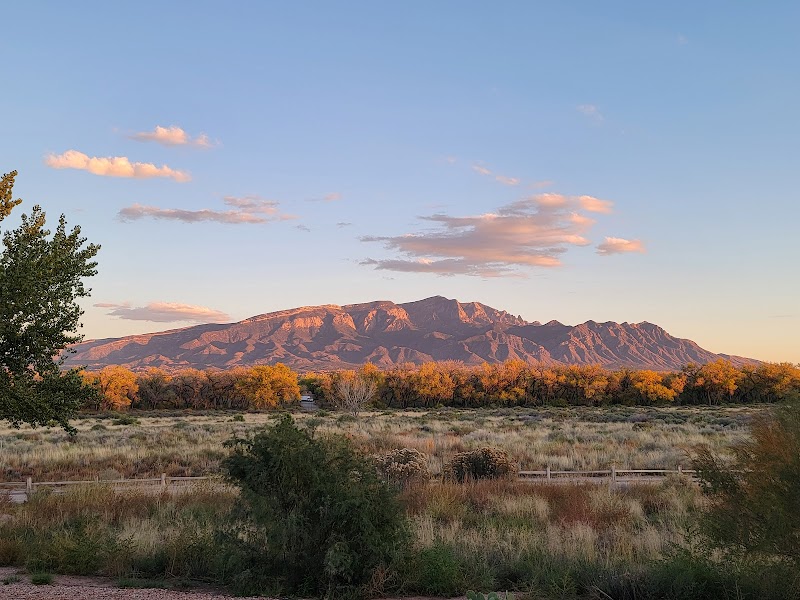
Wilderness Landscape & Natural Heritage
Pampa Hermosa National Sanctuary lies in the Junín region of Peru, encompassing cloud forest ecosystems spanning elevations roughly between 1,900 to 3,300 meters (6,200 to 10,800 feet). This sanctuary protects an important portion of the eastern Andean slopes, characterized by dense montane forests, unique flora such as orchids and bromeliads, and diverse fauna including spectacled bears, several monkey species, and over 300 bird species. Its geography consists of steep slopes, deep valleys, and river systems that feed into larger Amazon tributaries, creating critical habitat connectivity. Established in 2000, Pampa Hermosa aims to preserve biodiversity hotspots threatened by deforestation and agricultural expansion. Visitors are drawn to this sanctuary for birdwatching, hiking through trails revealing waterfalls and panoramic views, and studying its endemic species. Notable landmarks include the Quebrada Verde valley and viewpoints offering expansive vistas of cloud forest canopies and distant peaks. Remote and less frequented than many Peruvian protected areas, Pampa Hermosa offers solitude and immersive nature experiences with opportunities for guided treks led by local conservation groups. The sanctuary’s role in water regulation and soil protection adds to its ecological value, while its cultural significance remains tied to indigenous Quechua communities residing nearby.