Wilderness Landscape & Natural Heritage
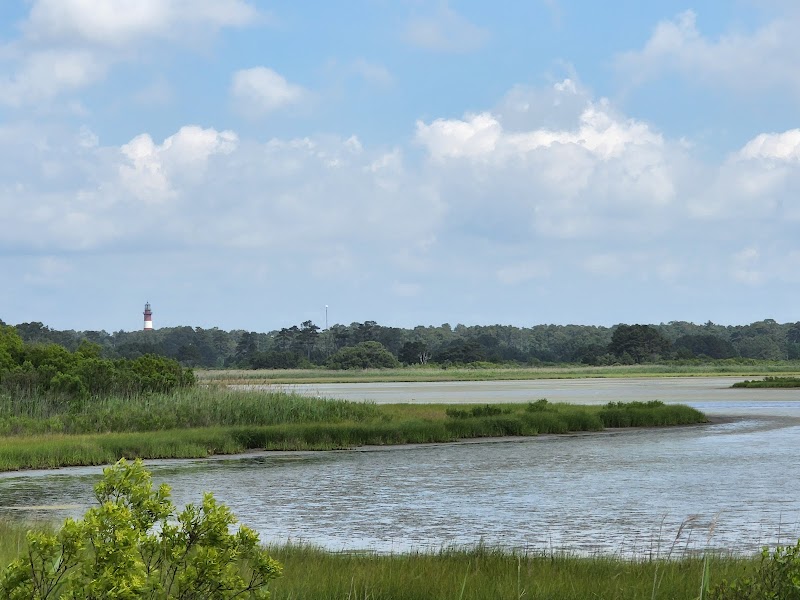
Virginia's Eastern Shore National Wildlife Refuge Complex is made up of five National Wildlife Refuges along the northern portion of Virginia’s Eastern Shore, a barrier peninsula bordered by the Chesapeake Bay and Atlantic Ocean. The complex includes the Barrier Islands Refuge, Fisherman Island, Nantuxent Creek, Kiptopeke, and Eastern Shore of Virginia refuges. These protected areas preserve a diverse mix of habitats including coastal marshes, beaches, maritime forests, and shallow bays. The region is critical for migratory birds along the Atlantic Flyway, hosting large populations of waterfowl, shorebirds, raptors, and songbirds throughout the year. It also supports populations of threatened and endangered species such as the piping plover, red knot, and Delmarva fox squirrel.
Recreationally, the complex serves as an important destination for birdwatchers, photographers, hunters (subject to regulations), paddlers, and nature enthusiasts. Trail systems and observation decks enhance wildlife viewing, while the barrier islands provide remote beach experiences and opportunities for kayaking and fishing. Historically, the barrier islands and coastal areas have rich maritime and ecological significance, with human use dating back centuries.
Visitors are drawn to the variety of ecosystems and the peaceful coastal landscape, as well as special events during spring and fall migrations. The refuges are managed by the U.S. Fish and Wildlife Service with a focus on habitat restoration, species protection, and compatible public use. The complex illustrates a commitment to conserving vital migratory bird stopover points and coastal ecosystem health in the mid-Atlantic region.