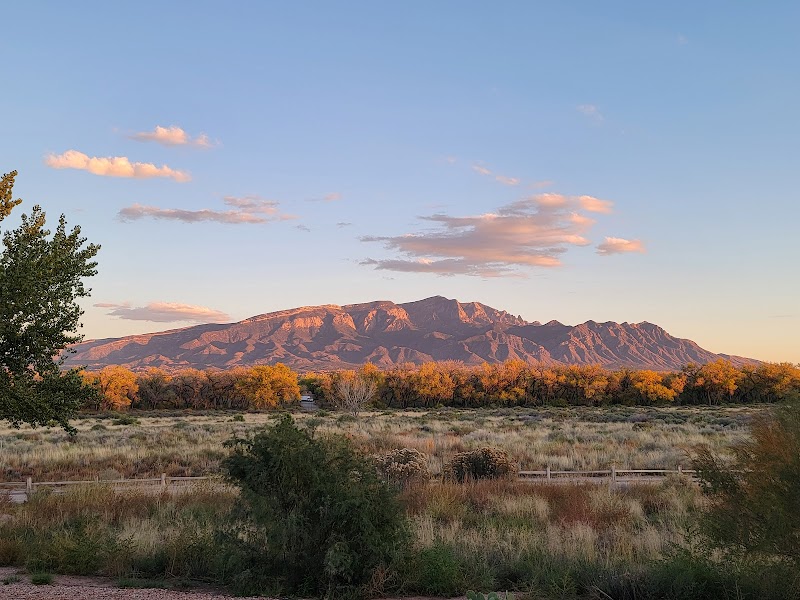
Wilderness Landscape & Natural Heritage
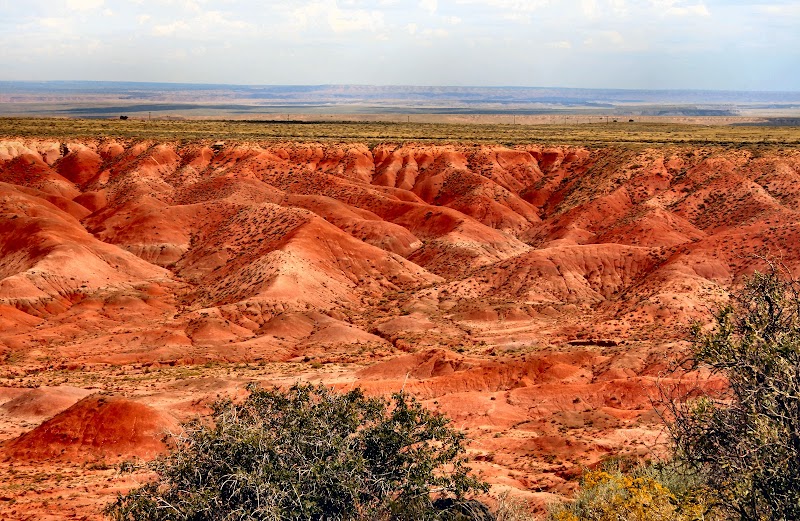
The Hopi Reservation is located atop the mesas of northeastern Arizona, encompassing parts of Navajo and Coconino counties. It is home to the Hopi Tribe, one of the oldest Native American peoples in the southwestern United States, whose culture has been continuously sustained for more than a millennium. Geographically, the reservation spreads across three high desert mesas—First Mesa, Second Mesa, and Third Mesa—offering rugged terrain with an elevation ranging from roughly 5,200 to 6,500 feet. The landscape blends arid desert washes, juniper woodlands, and grasslands, providing habitat for wildlife such as mule deer, coyotes, and various raptors. Historically, the Hopi people have lived in this region for over 1,000 years, known for their unique kachina spirit worship, intricate pottery, and complex ceremonial life. Recreational opportunities are limited due to the sacred and private nature of the land, but visitors can explore some culturally oriented tours, photographic vantage points, and hiking around permitted areas. Key landmarks include the ancient villages on the mesas such as Shungopavi and Oraibi—the latter being one of the oldest continuously inhabited villages in the United States. The Hopi Reservation appeals primarily to visitors interested in indigenous culture, archaeological sites, and the spirit of a living Native community. Respectful visitation and advance permissions are essential since much of the land is closed to the public and has protected religious sites.