Wilderness Landscape & Natural Heritage
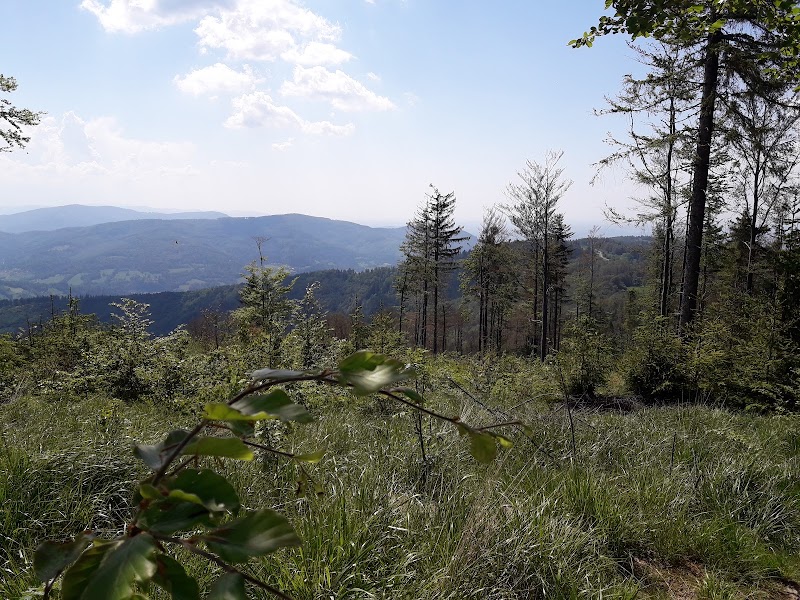
The Natura 2000 Protected Areas within the Silesian Voivodeship represent a European Union-wide network dedicated to the protection of Europe's most valuable and threatened species and habitats. Located in southern Poland, the Silesian Voivodeship is characterized by a mosaic of landscapes including upland forests, river valleys, peat bogs, meadows, and limestone karst formations. These protected sites fall under two main designations: Special Protection Areas (SPA) focusing on bird conservation, and Special Areas of Conservation (SAC) protecting specific habitat types and other species.
Among the key features of the network are the rich forest complexes, including remnants of primeval forests hosting species such as the European beech and Silver fir, alongside numerous protected bird species like black storks, lesser spotted eagles, and Eurasian pygmy owls. The river valleys, particularly along the Vistula and its tributaries, offer critical habitats for wetland species and migratory birds, while limestone outcrops contain rare plants and unique karst topography.
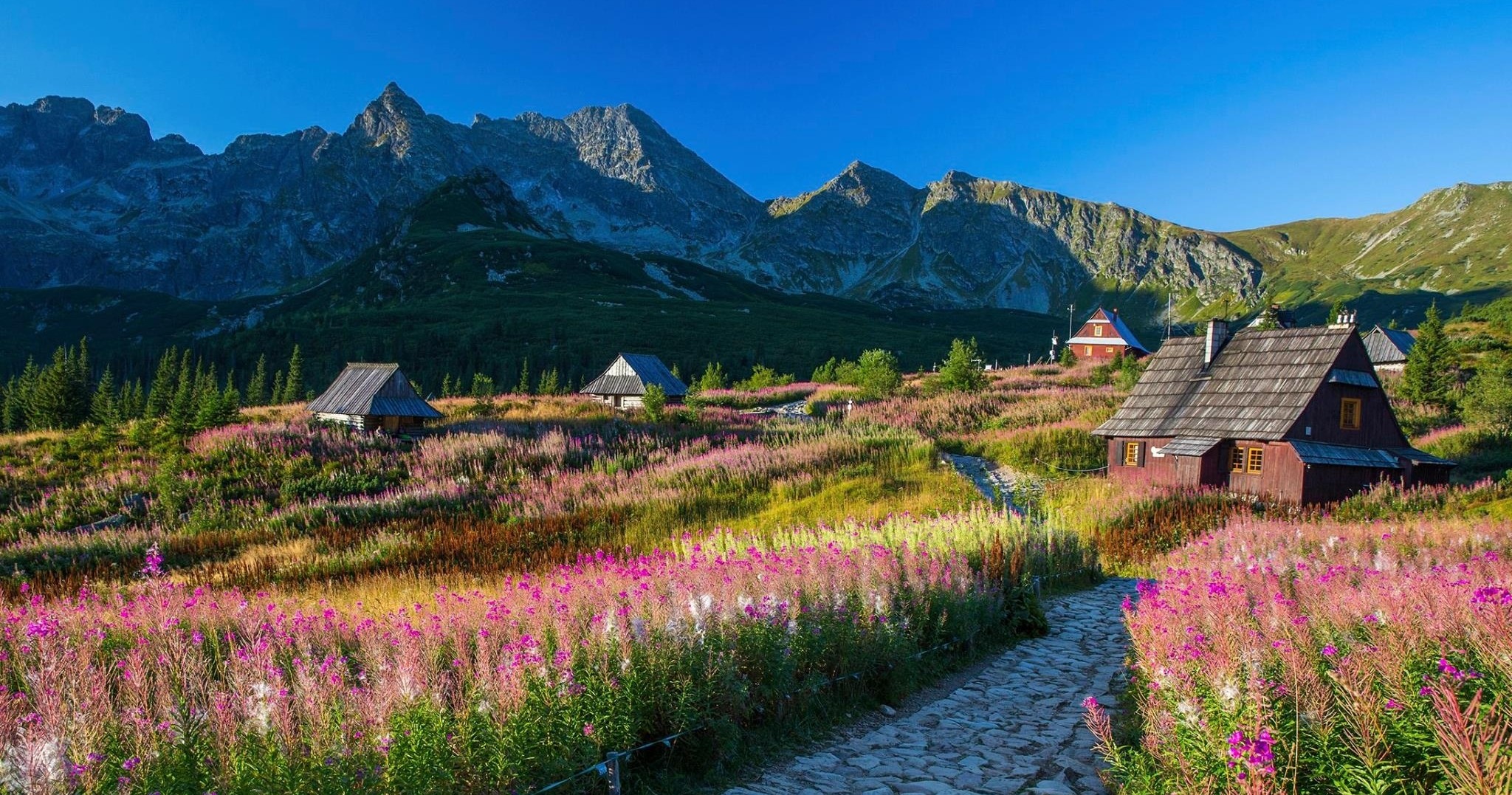
Historically, many of these areas have been shaped by centuries of traditional land use, including pastoralism and sustainable forestry, which has contributed to biodiversity richness. Today, the Natura 2000 areas support a range of outdoor recreation opportunities, including hiking along marked nature trails, birdwatching at designated observation points, and educational activities coordinated by local environmental organizations. The proximity to urban centers like Katowice and Częstochowa makes these protected zones accessible for day trips and nature immersion. Visitors are drawn to notable landmarks such as the Ojców National Park, part of the network, known for its Jurassic limestone cliffs and caves, and the extensive forest habitats of the Silesian Beskids.
The network plays a vital role in conserving the region’s ecological heritage, promoting sustainable tourism and outdoor experiences while safeguarding habitats from urbanization and industrial pressures.