Wilderness Landscape & Natural Heritage
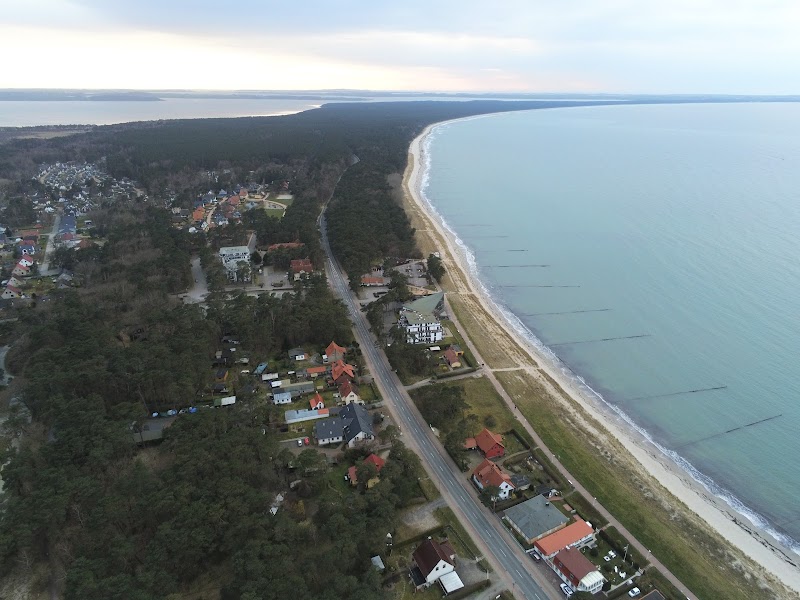
The Szczecin Lagoon, known as Zalew Szczeciński in Polish and Stettiner Haff in German, is a large coastal lagoon on the southern coast of the Baltic Sea. Spanning the border between Poland and Germany within the West Pomeranian Voivodeship and Mecklenburg-Vorpommern, this Natura 2000 site encompasses a mosaic of fresh and brackish water habitats, reed beds, marshes, islands, and adjacent coastal forests. Formed after the last Ice Age, the lagoon connects to the Baltic Sea via the Peenestrom, Świna, and Dziwna straits and serves as an important hydrological and ecological zone for the region. The site’s complex habitat networks support numerous breeding and migratory bird species, including rare waterfowl and raptors, making it a key birdwatching destination in northern Europe. Its aquatic environment is home to diverse fish populations, critical for local fisheries, and hosts protected amphibians and mammals such as the European otter. Historically, the lagoon has been a cultural and economic artery since medieval times, contributing to fishing, transport, and settlement patterns in the region. Visitors are drawn to opportunities for boating, kayaking, cycling along scenic routes, and exploring nearby nature reserves and small towns like Wolin and Ueckermünde. The site’s transnational management highlights collaborative conservation efforts to protect unique wetland habitats amid pressures from agriculture, development, and water pollution. Outdoor enthusiasts appreciate the blend of tranquil water landscapes, abundant wildlife viewing, and rich cultural heritage. Seasonal festivals and local gastronomy further enhance the visitor experience. This Natura 2000 site represents a vital sanctuary for biodiversity and a cherished natural heritage space for both Poland and Germany’s communities.