Wilderness Landscape & Natural Heritage
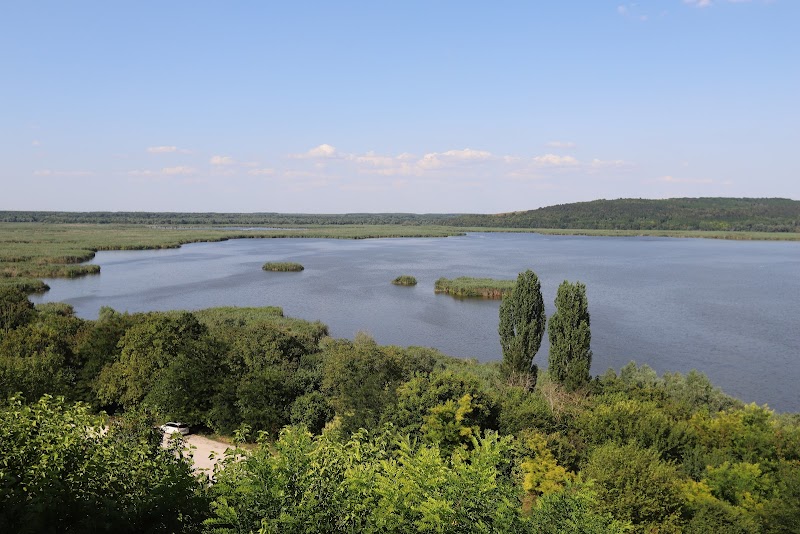
Durankulak Natura 2000 Site encompasses a coastal wetland complex located near the village of Durankulak, bordering the Black Sea in northeastern Bulgaria. It includes Lake Durankulak, a large coastal freshwater lake separated from the sea by a narrow sandbar. This area is ecologically significant for its diverse habitats, including reed beds, marshes, sand dunes, and lagoons that support endangered and rare species. The site is particularly important for birdlife, serving as a crucial stopover and breeding ground for numerous migratory and resident waterfowl and wading birds such as the Dalmatian pelican, ferruginous duck, and pygmy cormorant. The wetland ecosystem also supports a variety of amphibians, fish, and plant species adapted to brackish and freshwater environments. Historically, the region features archaeological remains dating back to the Chalcolithic period, making it a place of both natural and cultural interest. Visitors are drawn to Durankulak for birdwatching, nature photography, and gentle hiking along the coastal areas where the interaction of sea and freshwater habitats creates varied landscapes. The site’s sandy beaches also provide scenic views along the Black Sea coast. Its protection under Natura 2000 helps maintain the ecological integrity of this fragile habitat amid ongoing pressures from tourism and development. Overall, Durankulak offers a quiet, nature-focused experience ideal for wildlife enthusiasts and travelers seeking less crowded coastal environments.