Wilderness Landscape & Natural Heritage
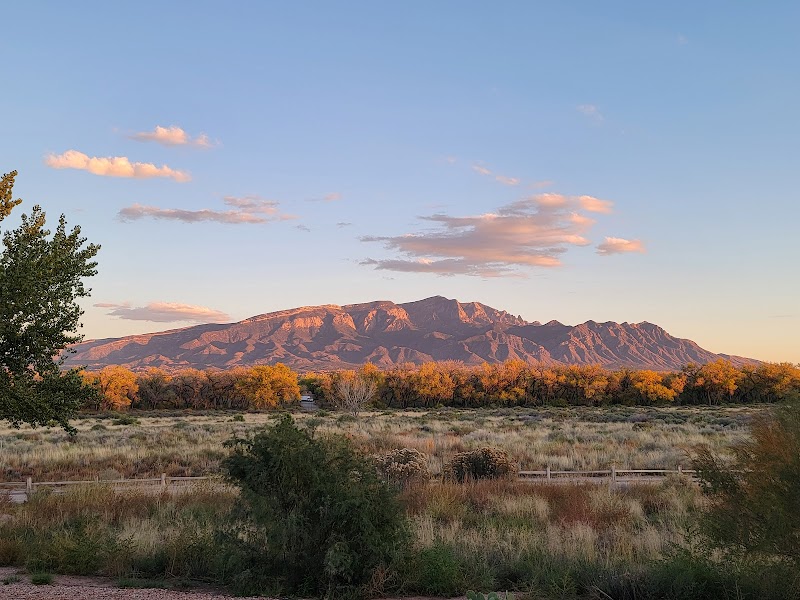
The Taygetos Mountain range, located in the Peloponnese region of southern Greece, rises sharply from the surrounding plains to reach an elevation of 2,404 meters at its highest peak, Profitis Ilias. The mountains extend approximately 100 kilometers north to south, forming a natural barrier between Laconia and Messenia. They represent one of the most ecologically significant areas in Greece and were designated as a Natura 2000 site for their valuable habitats and species protection. The terrain is marked by steep cliffs, deep gorges, and forested slopes, dominated by native pine and fir forests in higher elevations and Mediterranean scrubland lower down. The area supports many endemic and rare plant species, including the Greek fir (Abies cephalonica) and Balkan pine. Wildlife includes important populations of birds of prey such as the golden eagle and Bonelli's eagle, along with mammals like chamois and wild goat.
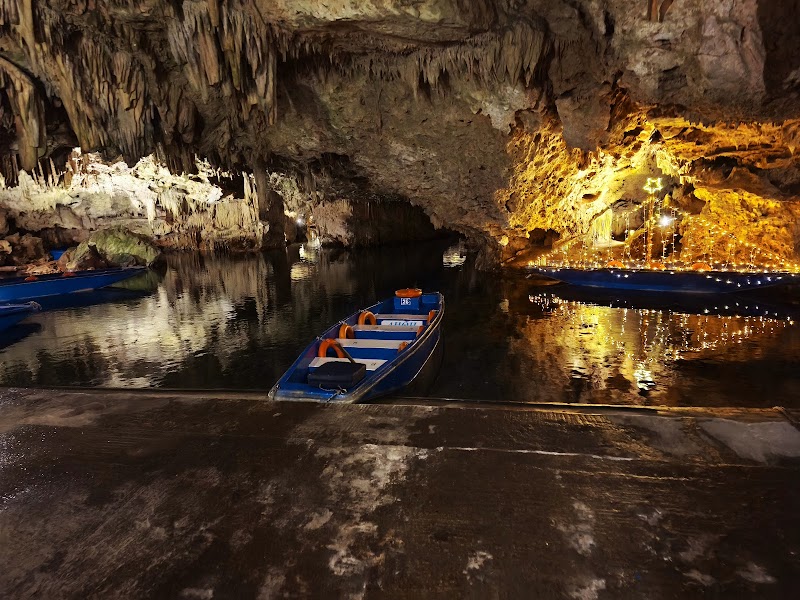
Historically, Taygetos has been a site of human significance since antiquity, famous for its role in Spartan culture and mythology. Numerous Byzantine monasteries and small traditional villages dot the landscape, offering cultural insights and scenic charm. Recreational activities focus on hiking, climbing, and wildlife watching, with well-established trails such as the European E4 path crossing the range. The gorge of Dirou, with its ancient caves and archaeological sites, is a notable attraction. The Taygetos mountains appeal to visitors seeking challenging outdoor adventures combined with an opportunity to experience a rugged, relatively untouched Greek wilderness.
Accessibility is typically from the towns of Sparta and Kalamata, with roads leading to trailheads and mountain refuges. This protected area plays a crucial role in preserving biodiversity and provides a vital natural space for outdoor recreation and nature study in southern Greece.