Wilderness Landscape & Natural Heritage
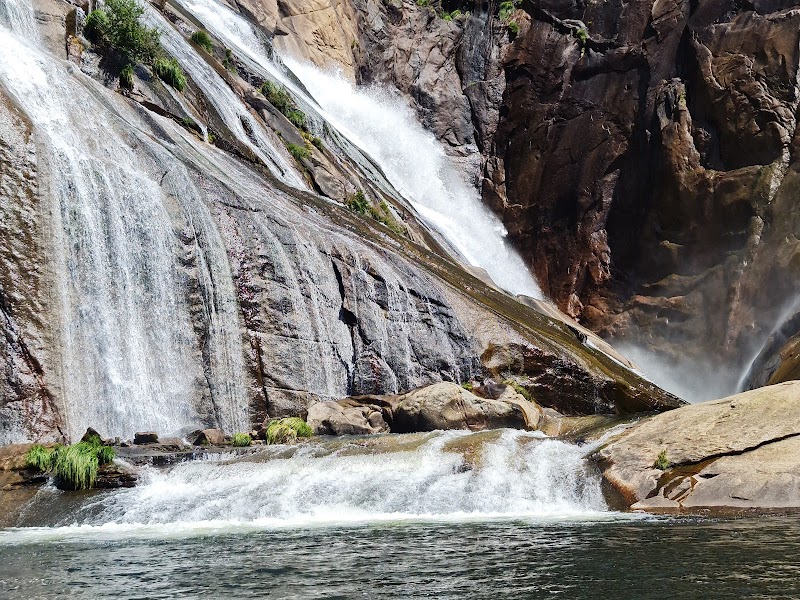
Costa da Morte Natural Park, translating to "Coast of Death," is a protected area located along the northwestern coast of Galicia, Spain. The park stretches over a wild, jagged coastline where powerful Atlantic Ocean waves shape granite cliffs, deep coves, and sandy beaches. Its name stems from the treacherous seas that have historically caused many shipwrecks and maritime tragedies. The park's geography includes prominent headlands like Cape Finisterre and Cape Vilán, which have cultural and historical significance as pilgrimage terminuses along the Camino de Santiago route. Ecologically, the park supports a mosaic of habitats, from maritime forests and heathlands to rocky intertidal zones rich in marine species such as seabirds, mollusks, and crustaceans. Coastal wetlands and dune systems also harbor diverse plant life adapted to salty winds and shifting sands. Visitors can explore numerous hiking trails that traverse cliff tops with panoramic ocean views, stopping at iconic lighthouses and shipwreck memorial sites. Birdwatching is popular due to the abundance of seabird colonies, while fishing and coastal kayaking offer access to the seascapes. Traditional fishing villages and local seafood cuisine enrich the visitor experience, underscoring the region's strong cultural ties to the sea. The park appeals to adventurers, naturalists, and cultural travelers alike, offering a blend of rugged natural beauty, outdoor recreation, and historical resonance, all framed by one of Europe’s wildest Atlantic coastlines.