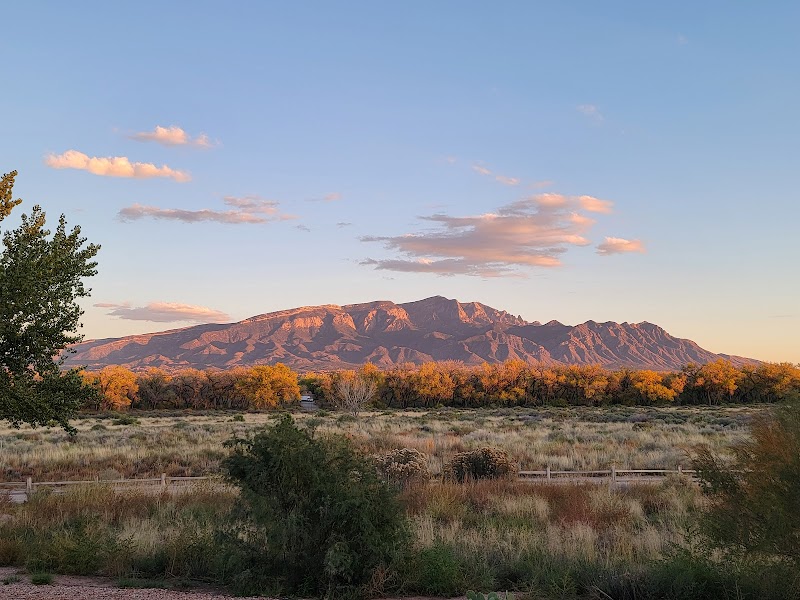
Wilderness Landscape & Natural Heritage
The Great Victoria Desert Nature Reserve covers a significant portion of the vast Great Victoria Desert, which spans between Western Australia and South Australia. As Australia's largest desert, it encompasses an area of mostly arid sand plains, longitudinal sand dunes, salt lakes, and shrublands. Its terrain is characterized by red sandy soils with low vegetation dominated by spinifex grasses, acacia shrubs, and eucalyptus species. The reserve is home to a number of endemic and rare animals, including the marsupial mulgara, the sandhill dunnart, and various reptiles adapted to harsh desert conditions.
This nature reserve plays a critical role in protecting both natural and cultural values. It preserves important Aboriginal sites reflecting thousands of years of indigenous presence, including rock art and traditional hunting grounds. The reserve's remoteness and challenging environment make it a destination for adventurous travelers interested in off-road exploration, wildlife observation, and experiencing solitude in an unspoiled desert setting.
Recreational opportunities focus primarily on 4WD expeditions, birdwatching, and minimal impact camping. Visitors should be well-prepared for extreme temperature variations and limited services. There are few formalized trails or developed campgrounds, reinforcing the reserve's wild nature. Notable highlights include the vast dune fields such as the Great Victoria Desert Sands, dry salt lake beds, and areas where rare desert blooms appear following seasonal rains. The reserve appeals to those seeking an authentic desert ecosystem far from urban influence, combining natural beauty with cultural significance.