Wilderness Landscape & Natural Heritage
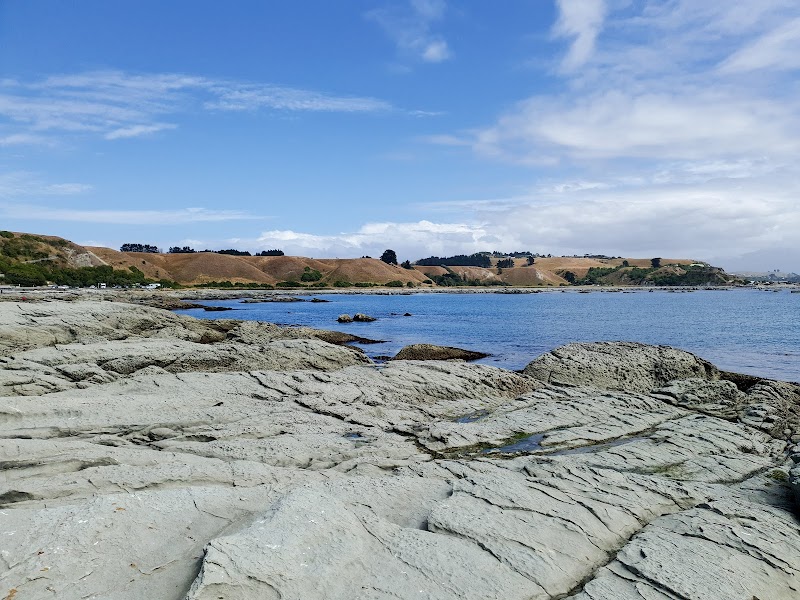
Kāpiti Island Nature Reserve lies about 5 kilometers off the southwestern coast of the North Island of New Zealand, adjacent to the Wellington Region. Covering an area of 1,968 hectares (4,864 acres), the island serves as a vital sanctuary for native flora and fauna, and is one of the country’s foremost conservation efforts. Its terrain features dense native forest and rugged coastline with steep cliffs. The island is free from introduced mammalian predators, creating a safe habitat crucial for the recovery of endangered bird species such as the Kākā, Kākāriki (parakeet), Tūī, and the rare little spotted kiwi. Historically, Kāpiti was used by Māori as a seasonal fishing and bird hunting ground; it later became a designated reserve in 1897 aimed at protecting wildlife. Visitors access the island primarily by ferry from the nearby Kapiti Coast mainland, and foot tracks wind through diverse habitats. Popular activities include guided birdwatching tours, forest walking, and exploring the historic birdman’s lookout. Camping is permitted with permits, but facilities are limited to minimize human impact. Kāpiti Island is part of New Zealand’s broader conservation initiative to restore native ecosystems through control or eradication of introduced species, making it a key destination for nature lovers, bird enthusiasts, and conservationists. Its remote, predator-free status offers a rare opportunity to experience New Zealand’s original forest ambience with abundant native wildlife in natural surroundings.