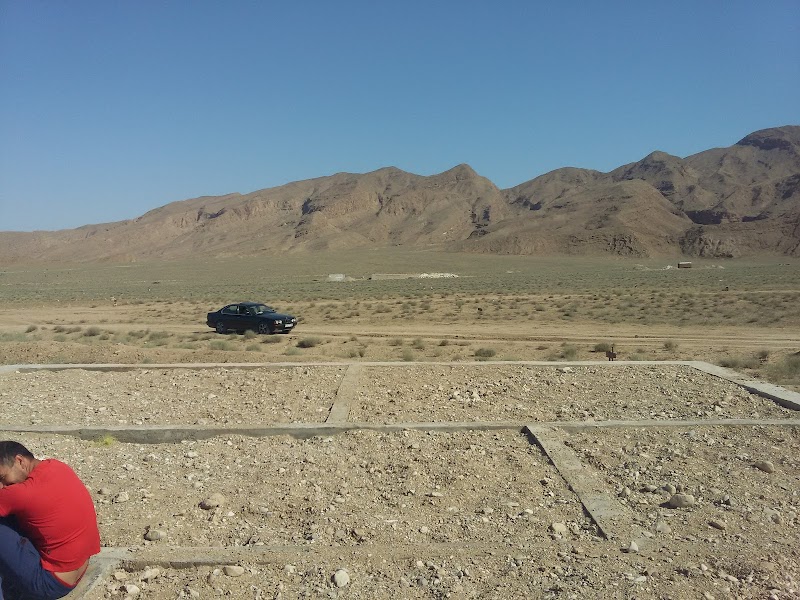
Wilderness Landscape & Natural Heritage
Karakum Nature Reserve is located in the heart of the Karakum Desert, the vast sand desert that spans much of Turkmenistan. Established in 1970, this nature reserve serves as a crucial refuge for desert flora and fauna, protecting some of the most arid and ecologically significant landscapes of Central Asia. The reserve's terrain is dominated by sand dunes, xeric shrublands, salt flats, and sparse desert vegetation adapted to extreme heat and minimal precipitation, often less than 150mm annually. The reserve provides habitat for species such as the goitered gazelle, kulan (Central Asian wild ass), desert monitor lizard, various reptiles, rodents, and a variety of desert-adapted bird species including larks and wheatears. It also supports diverse desert plant communities important for stabilizing dunes and sustaining desert wildlife. Though remote and with limited infrastructure, Karakum Nature Reserve appeals to researchers, conservationists, and adventurous eco-tourists interested in desert biodiversity and traditional nomadic culture. Visitors experience vast open vistas and the stark beauty of shifting sands, with opportunities for wildlife viewing and nature study. Historical Bedouin routes and occasional ruins attest to the area's long-standing human interaction with this harsh environment. The reserve is important for conservation efforts aiming to protect fragile desert ecosystems amid increasing regional development pressures. Its remoteness and strict protection status mean recreational visitation is controlled and generally limited, helping to maintain its pristine desert character.