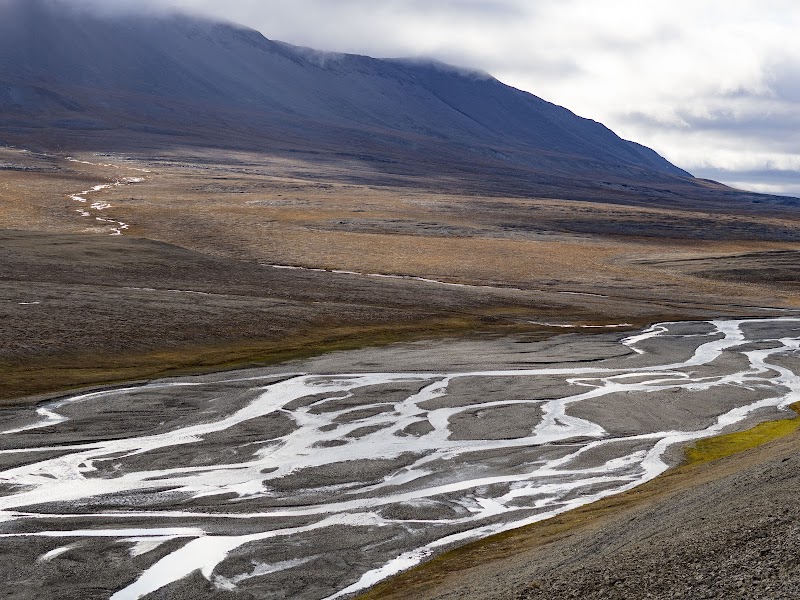
Wilderness Landscape & Natural Heritage
Wrangel Island Nature Reserve, located in the Russian Arctic's Chukotka region between the Chukchi Sea and East Siberian Sea, is an extraordinary protected area known for its pristine Arctic ecosystems and remarkable biodiversity. The reserve encompasses Wrangel Island and nearby Herald Island, collectively supporting some of the northernmost tundra habitats on Earth. This UNESCO World Heritage Site is distinguished by its role as a crucial denning ground for polar bears, as well as a bastion for reindeer herds, Arctic foxes, musk oxen, and over 200 bird species, including large migratory populations of snow geese. The island's geography features rugged coastlines, mountainous terrain, extensive tundra plains, and numerous lakes and wetlands, all largely untouched by human development. Wrangel Island's fascinating history includes evidence of human habitation dating back thousands of years, along with significant Soviet-era polar exploration. Outdoor opportunities here are extremely limited due to the island’s remote Arctic location, strict environmental protections, and harsh climate, making access primarily reserved for scientific expeditions and highly regulated eco-tourism. Visitors and researchers are drawn to the reserve for the chance to experience untouched Arctic wilderness, observe rare and endangered species in their natural habitats, and study the impacts of climate change in a fragile polar environment. The reserve’s combination of ecological significance and remote, pristine landscapes offers a singular glimpse of the Arctic’s wild beauty and ecological complexity.