Wilderness Landscape & Natural Heritage
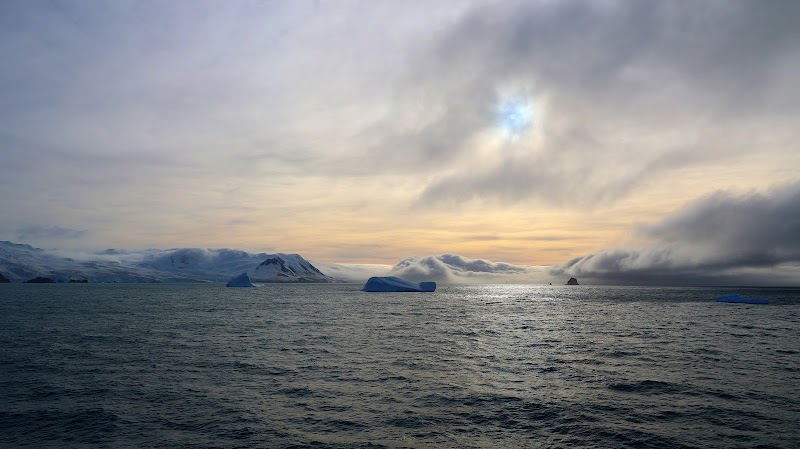
Antarctica spans approximately 5.5 million square miles and is covered by ice that holds around 60% of the world's fresh water. It is the coldest, driest, and windiest continent, featuring unique geographical attributes such as the Antarctic Peninsula, the Transantarctic Mountains, and vast ice shelves like the Ross and Ronne. The Antarctic Treaty System governs the protection and management of the region, ensuring its preservation from industrial exploitation and prioritizing scientific research. The continent is a vital hub for scientific exploration, contributing significantly to understanding climate change and its global impacts. Despite its remote and inhospitable nature, Antarctica offers unparalleled wildlife viewing opportunities with species such as emperor penguins, weddell seals, and an array of sea birds. Guided expeditions allow visitors to witness the breathtaking beauty of massive glaciers, expansive ice fields, and iconic icebergs. The extreme environment poses challenges, yet captivates adventurers and researchers alike seeking the ultimate frontier experience.