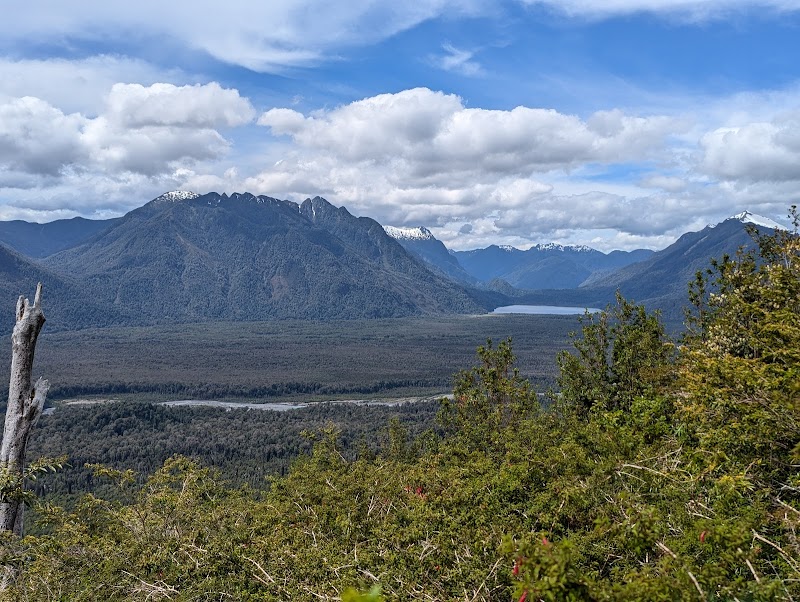
Wilderness Landscape & Natural Heritage
Parque Tantauco spans over 120,000 acres on the southwestern corner of Chiloe Island, one of southern Chile's largest islands. The park preserves a large portion of the coastal temperate rainforest ecosystem characteristic of the region, featuring evergreen trees such as the lenga (Nothofagus pumilio) and the alerce (Fitzroya cupressoides), an ancient, long-living species. The reserve sits where the Pacific Ocean meets the island’s rugged coastline, offering dramatic seascapes alongside lush forests. It was established in 2005 by The Nature Conservancy with support from former Chilean president Ricardo Lagos, aiming to protect the biodiversity of the island and promote sustainable tourism. Outdoor enthusiasts can enjoy an extensive network of over 150 kilometers (approximately 93 miles) of trails that lead through dense forest, along fjords, and to viewpoints overlooking the Pacific. Wildlife spotting is excellent here; native species include the elusive pudú (the world’s smallest deer), Darwin’s fox, and a variety of bird species such as the black-necked swan and Magellanic woodpecker. The park is largely undeveloped with minimal infrastructure, attracting visitors seeking remote hiking, wildlife observation, and intimate encounters with one of Chile’s most intact natural landscapes. Its relative inaccessibility offers tranquility and a strong sense of wilderness, making it a compelling destination for travelers interested in conservation and low-impact adventure.