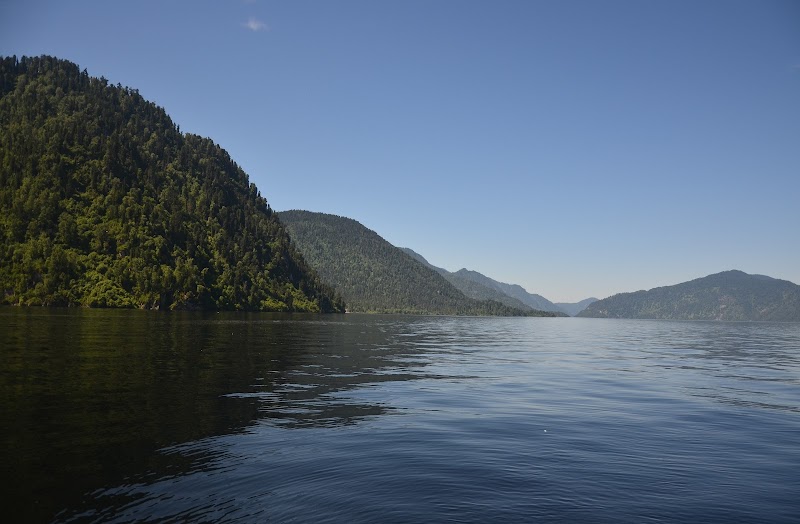
Wilderness Landscape & Natural Heritage
The Altay Mountains Protected Area is a transboundary region located at the convergence of Kazakhstan, Russia, China, and Mongolia. This mountainous expanse forms part of the larger Altai Mountain system, a key ecological hotspot characterized by rugged peaks, deep river valleys, glaciers, and diverse forested landscapes. With elevations ranging from approximately 500 meters in the foothills to over 4,500 meters at the highest summits, the area supports a wide variety of flora and fauna, including endemic and rare species such as the snow leopard, Altai argali sheep, and Siberian ibex. The region is ecologically significant as one of the last intact habitats in Central Asia, hosting mixed forests of Siberian pine, fir, and larch alongside alpine meadows. Historically, the Altay Mountains have been inhabited for thousands of years, with evidence of ancient petroglyphs, Scythian burial mounds, and indigenous Turkic cultures contributing to a rich archaeological and ethnographic heritage. Outdoor enthusiasts are drawn to the area for its extensive hiking and trekking routes, opportunities for horseback riding, mountaineering, fishing, and winter sports like ski touring. Notable landmarks include Belukha Mountain, the highest peak in the Russian Altai and a sacred mountain, the Katun and Biya Rivers famed for rafting, and undisturbed wilderness zones offering solitude and wildlife encounters. The protected status of major portions within Kazakhstan’s Katon-Karagay National Park and Russia’s Belukha Nature Park reflect region-wide efforts to preserve this unique natural and cultural landscape. Visitors can experience unspoiled nature along well-maintained trails or venture into remote areas for an authentic wilderness adventure.