Wilderness Landscape & Natural Heritage
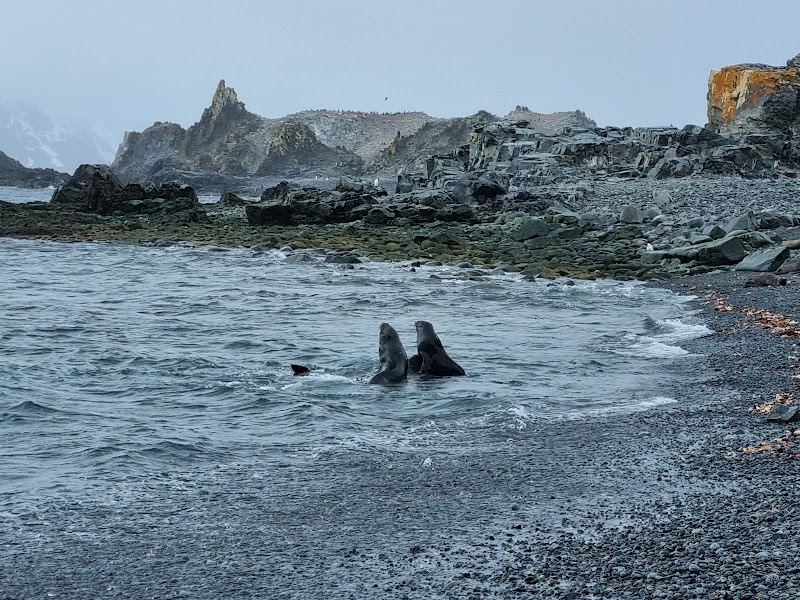
Antarctic Specially Managed Areas (ASMAs) are designated regions under the Antarctic Treaty System designed to assist in the planning and coordination of activities, manage environmental impacts, and preserve the continent's ecological, scientific, historic, and wilderness values. Unlike traditional protected natural parks or reserves, ASMAs focus primarily on managing human activities such as scientific research, tourism, and logistic operations to avoid environmental degradation and ensure the protection of Antarctic ecosystems. ASMAs cover a range of geographically diverse zones encompassing coastal areas, marine environments, ice-free land zones, and historic sites. They often include significant wildlife habitats for species such as penguins, seals, and seabirds, and may overlap with Antarctic Specially Protected Areas (ASPAs) or other protected sites. Key ASMAs include areas like the McMurdo Dry Valleys, Cape Hallett, and Admiralty Bay, which hold both ecological and research importance. Because Antarctica experiences extreme climate conditions, with temperatures ranging well below freezing for most of the year and months of continuous daylight or darkness, the ASMA system helps regulate human presence to prevent disturbances to native flora and fauna. Though outdoor recreation is limited due to the continent’s harsh environment and strict regulations, scientists and authorized personnel benefit from streamlined management and cooperation. The designation of ASMAs reflects international commitment to safeguarding Antarctica’s scientific and environmental values while balancing the needs of research and responsible tourism. Access to these areas typically requires permits issued under the Antarctic Treaty Consultative Meeting’s guidelines, ensuring controlled visitation and environmental stewardship.
