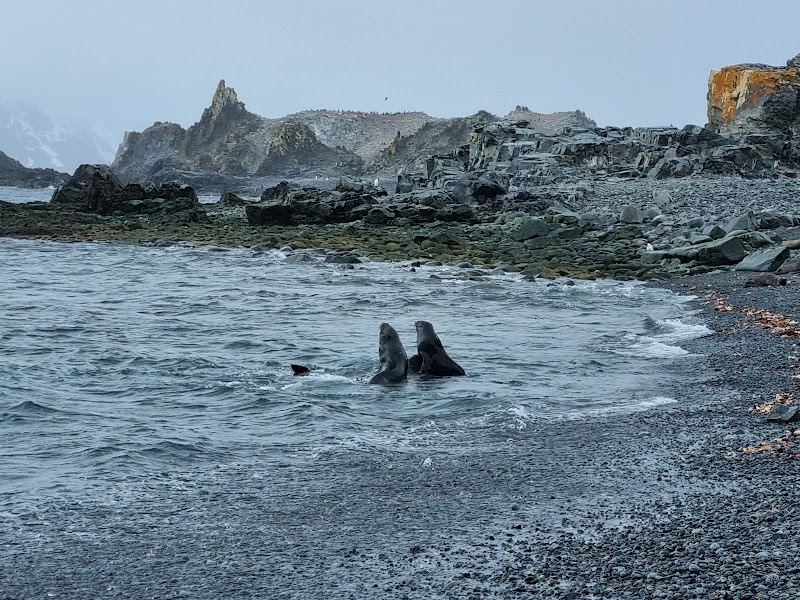
Antarctic Specially Protected Areas (ASPA) wilderness guide
Protected Area · Antarctica

Antarctic Specially Protected Areas (ASPA)

Antarctic Specially Protected Areas (ASPA) are designated regions across Antarctica set aside to safeguard unique ecological, scientific, historical, and wilderness values, offering a rare glimpse into one of Earth's most pristine environments.

Protected AreaVaries by site; collectively over 2 million acres
DesignationProtected Area
Total Wilderness AreaVaries by site; collectively over 2 million acres
Elevation / TerrainDiverse Wilderness
Field Editorial Guide

About Antarctic Specially Protected Areas (ASPA)

Antarctic Specially Protected Areas (ASPA) are designated regions across Antarctica set aside to safeguard unique ecological, scientific, historical, and wilderness values, offering a rare glimpse into one of Earth's most pristine environments.

Wilderness Landscape & Natural Heritage

Antarctic Specially Protected Areas (ASPA) are zones established under the Antarctic Treaty System to preserve and protect exceptional natural, scientific, historical, and environmental values in Antarctica. Spread throughout the continent and surrounding islands, these areas include ice-free grounds, marine habitats, breeding colonies, and locations of significant geological or historical interest. The designation aims at minimizing human impact through strict access controls, permitting requirements, and ongoing scientific monitoring. Geographically diverse, ASPAs range from coastal ecosystems supporting vast seabird and seal populations to inland valleys known for unique microbial life and undisturbed geological formations. Ecologically, many ASPAs protect breeding sites for species such as Adélie penguins, Weddell seals, and various seabirds, as well as fragile tundra communities that are rare on Earth. Historically, some protect early exploration huts and sites, reflecting humanity’s Antarctic heritage. Recreational activities in ASPAs are extremely limited due to preservation efforts, but scientific expeditions and carefully managed visits emphasize low-impact observation, wildlife photography, and environmental study. Notable ASPAs include areas like Cape Royds, home to Emperor penguin colonies, and the intricate moss beds of Fildes Peninsula. Visitor appeal lies primarily in the opportunity to witness largely untouched Antarctic ecosystems, exceptional wildlife diversity, and remarkable natural phenomena such as vast ice fields and unique rock formations. Access is carefully controlled by permitting authorities ensuring the conservation of these fragile areas, which remain among the most strictly protected environments on the planet.

Field Guide · Protected Area
Adventure Destinations

Notable Destinations Near Antarctic Specially Protected Areas (ASPA)

Scenic viewpoints, outdoor landmarks, and notable points of interest within 60 miles.

Key Wilderness Highlights

✦ Emperor Penguin breeding grounds at Cape Royds ASPA✦ Unique moss and lichen communities at Fildes Peninsula ASPA✦ Historic huts of Scott and Shackleton protected as cultural heritage✦ Lichfield Island's diverse seabird colonies and pristine environment
Wilderness Recreation

Outdoor Adventures in Antarctic Specially Protected Areas (ASPA)

Explore curated guides for top outdoor sports, trail networks, and wilderness activities.

Park Recreation

Hiking

Available in Antarctic Specially Protected Areas (ASPA)
Park Recreation

Wildlife Viewing

Available in Antarctic Specially Protected Areas (ASPA)
Park Recreation

Photography

Available in Antarctic Specially Protected Areas (ASPA)
Park Recreation

Scientific Research

Available in Antarctic Specially Protected Areas (ASPA)
Park Recreation

Environmental Observation

Available in Antarctic Specially Protected Areas (ASPA)
The Ranger Station

Visitor Logistics & Essential Planning

Everything you need to know about entrance passes, seasons, visitor centers, road transit, and wildlife safety in Antarctic Specially Protected Areas (ASPA).

Passes & Fees

Entrance Requirements & Interagency Passes

Visits require permits from national Antarctic program authorities under ASPA management plans; no fees are charged but strict regulations apply.

Wilderness Checklist

Carry paper topographic map & compass in remote zones.
Store all food and scented items in approved bear canisters.
Check wildfire / smoke advisories before backcountry departure.
Pack out everything you pack in (Leave No Trace).
Expert-Led Wilderness Expeditions

Guided Experiences in Antarctic Specially Protected Areas (ASPA)

Explore scenic backcountry routes and epic wilderness adventures with certified local mountain guides, naturalists, and outfitters.