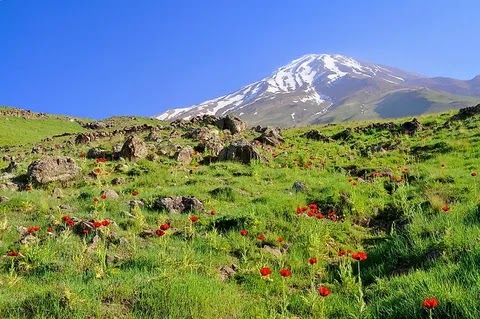
Wilderness Landscape & Natural Heritage
The Central Alborz Protected Area is situated within the central section of the Alborz mountain range in northern Iran, extending primarily through parts of Alborz Province. This expansive protected zone covers a series of rugged peaks, alpine meadows, dense forests, and deep valleys, forming an essential ecological barrier between the Caspian Sea lowlands and Iran's interior plateau. The geography of the area is marked by dramatic elevation changes, with peaks often soaring above 3,000 meters, providing diverse habitats from dense Hyrcanian forests on the lower slopes to alpine tundra at the highest points.
Ecologically, the area hosts a unique mixture of temperate broadleaf forests with endemic flora and fauna, including Persian fallow deer, Caspian red deer, brown bears, and the elusive Persian leopard. The region plays a critical role in biodiversity conservation, safeguarding vulnerable species and important water catchments. Historically, the Central Alborz area has cultural significance due to ancient trade routes and local nomadic traditions.
For outdoor enthusiasts, the area offers excellent opportunities for hiking, mountaineering, wildlife viewing, and photography. Seasonal snow attracts winter sports, while in summer the scenic mountain landscapes are ideal for trekking. Notable landmarks include peaks like Alam Kuh, the second-highest peak in Iran, and charming alpine lakes nestled in glacial cirques. The protected status helps maintain pristine natural conditions, attracting eco-tourism and nature lovers seeking off-the-beaten-path experiences.
Visitors appreciate the area's blend of challenging high-altitude terrain and tranquil forested valleys, making it a premier destination for those interested in experiencing Iran's mountainous wilderness.