Wilderness Landscape & Natural Heritage
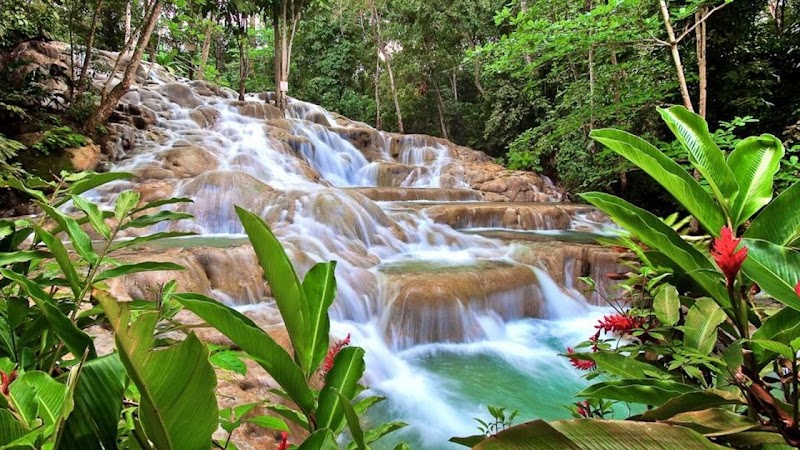
Falmouth Cockpit Country Reserve forms part of the larger Cockpit Country, the largest contiguous forested karst landscape in Jamaica, spanning approximately 221 square kilometers. The area features dramatic limestone hills known as 'cockpits,' which are steep, rounded depressions that create a rugged, uneven terrain with sharp cliffs and hidden valleys. This geological formation supports extensive tropical rainforest habitats with many endemic and rare plants and animal species, including the endangered Jamaican boa and the giant swallowtail butterfly. Historically, Cockpit Country was a refuge for Maroon communities escaping slavery, giving the reserve cultural and historical significance that remains important to local heritage.
Outdoor enthusiasts visiting Falmouth Cockpit Country Reserve can experience dense jungle hiking, birdwatching, and exploring caves and river valleys that weave through the rugged landscape. While not heavily developed for tourism, the area offers a raw, natural setting for more experienced hikers and explorers seeking solitude and pristine wilderness. The reserve's ecological importance is also reflected in its role as a vital watershed area, feeding rivers that supply freshwater downstream.
Visitors are attracted to features such as karst sinkholes, underground caves, and steep ridges offering panoramic views of the surrounding forest. The reserve’s relative remoteness requires careful planning and respect for the environment. Its preservation continues to be a priority due to pressures from mining and deforestation threats. Overall, Falmouth Cockpit Country Reserve presents a challenging yet rewarding experience for those interested in tropical ecology, conservation, and rugged outdoor adventure.