Wilderness Landscape & Natural Heritage
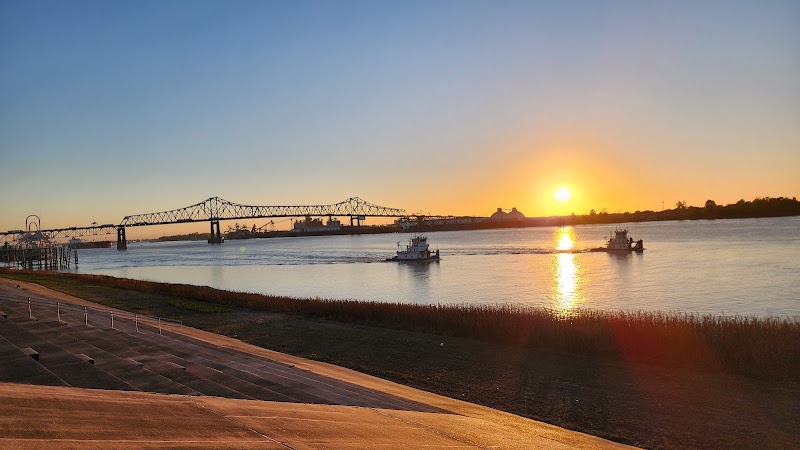
The Mississippi River Corridor Critical Habitat spans approximately 200 miles along the Mississippi River, connecting portions of 10 states from Minnesota to Louisiana. This habitat area was designated to safeguard critical wetlands, floodplain forests, backwaters, and aquatic ecosystems essential for migratory birds, native fish species, and other wildlife. Its geography follows the river’s main channel and adjacent floodplains, providing refuge for species such as the pallid sturgeon, interior least tern, and numerous waterfowl. Historically, the corridor was a hunting and fishing ground for Native American tribes and later a crucial transportation route during westward expansion. Today, it is valued for outdoor recreation activities including birdwatching, canoeing, kayaking, fishing, and wildlife photography. The corridor features notable landmarks such as the Upper Miss Refuge and extensive backwater lakes that offer calm waters for paddlers. The area’s natural floodplains contribute to water purification and flood management, making it important for regional ecology and communities. Visitors are drawn to the mix of open river vistas and secluded forested areas, where they can observe rare species or embark on multi-day paddling trips. Despite being a protected habitat, it presents a mosaic of accessible sites ranging from state parks to wildlife refuges, making it a diverse destination for nature enthusiasts.