Wilderness Landscape & Natural Heritage
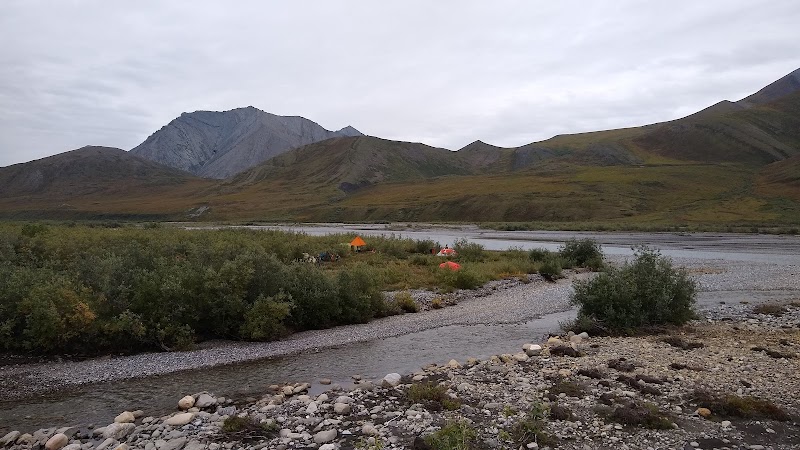
The Inuvialuit Settlement Region (ISR) covers roughly 90,000 square kilometers in the western Canadian Arctic, including parts of the Northwest Territories, Yukon, and Nunavut. Established by the Inuvialuit Final Agreement in 1984, it safeguards the land, waters, and wildlife used by the Inuvialuit peoples—a region marked by Arctic tundra, ice-covered seas, rugged mountains, and expansive wetlands. Featuring key natural landmarks such as the Mackenzie River delta, Banks Island's polar deserts, and the Beaufort Sea coastline, the ISR supports vital habitats for polar bears, Arctic wolves, muskoxen, migratory birds, and marine mammals like beluga whales. The landscape's stark beauty and cultural heritage attract adventurous visitors who seek remote hiking, wildlife photography, kayaking, traditional hunting and fishing experiences, and aurora viewing. The ISR integrates Indigenous knowledge with modern conservation, ensuring sustainable use that honors Inuvialuit traditions. Access is typically by air via communities such as Inuvik or Tuktoyaktuk, with limited road connections. Visitor infrastructure is minimal, preserving the region’s wild character. Seasonal extremes shape activities—long summer daylight supports boating and hiking, while winter offers unique snow-based travel and wildlife tracking. The area is notable for its cooperative management institutions that balance development, subsistence, and environmental stewardship, making the ISR a compelling destination for those drawn to unspoiled Arctic wilderness and Indigenous culture.