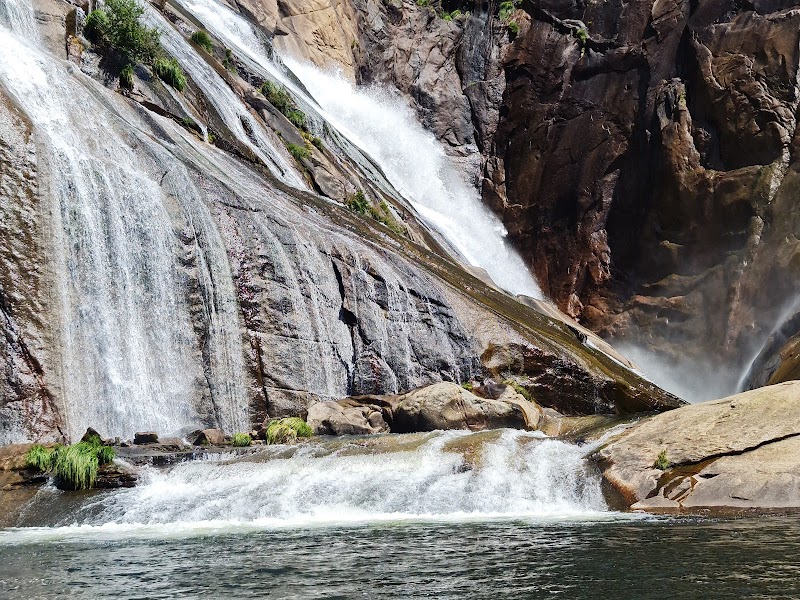
Wilderness Landscape & Natural Heritage
The Costa da Morte Protected Landscape, located along the western coast of Galicia in northwestern Spain, stretches approximately 90 kilometers along the Atlantic Ocean. Known as the "Coast of Death" due to its treacherous rocky shoreline and history of shipwrecks, this area offers a spectacular and rugged natural setting shaped by powerful ocean waves and dramatic cliffs rising over 600 feet. The geography is defined by granite headlands, secluded coves, expansive sandy beaches, tidal pools, and thick pine forests that slope toward the sea. Ecologically, the region hosts unique coastal and marine flora and fauna, including seabird colonies such as European shags and Northern gannets, and diverse intertidal ecosystems. Its flora includes endangered species adapted to the harsh maritime environment.
Historically, Costa da Morte is rich with cultural sites that reflect the deeply rooted maritime traditions of Galicia, including iconic lighthouses like Finisterre and Camariñas, stone cruceiros (wayside crosses), and ancient churches. These landmarks also anchor many pilgrimages, especially from Santiago de Compostela. Visitors enjoy numerous outdoor activities, including walking the famed Camiño dos Faros (Way of the Lighthouses) trail, a challenging multi-day hike that traverses cliffs, beaches, and fishing villages. Birdwatching, fishing, and surfing are also popular. Its remote beaches and rugged terrain make it ideal for photography, nature appreciation, and solitude.
The appeal lies in its combination of stunning natural beauty, cultural heritage, and relative seclusion, drawing eco-tourists, hikers, and those seeking an authentic wilderness coastal experience. Despite its name and gloomy maritime reputation, Costa da Morte Protected Landscape is now valued for conservation and sustainable tourism that protect its fragile ecosystems and cultural history.