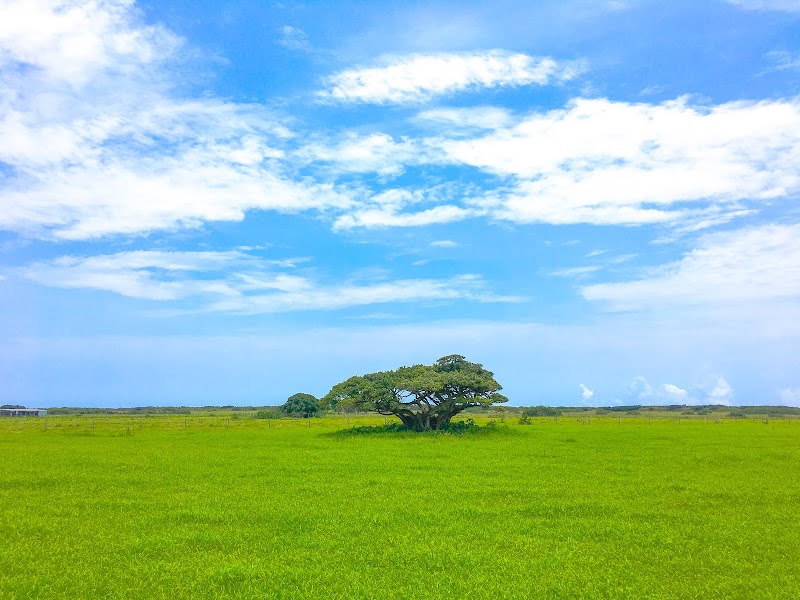
Nagura River Mangrove Conservation Area wilderness guide
Protected Mangrove Conservation Area · Okinawa, Japan

Nagura River Mangrove Conservation Area

Nagura River Mangrove Conservation Area protects one of Okinawa’s vital mangrove forests, offering rich ecological diversity and unique opportunities for paddle sports and wildlife observation.

Protected Mangrove Conservation Area15004+ Trails
DesignationProtected Mangrove Conservation Area
Total Wilderness Area1500
Elevation / TerrainDiverse Wilderness
Field Editorial Guide

About Nagura River Mangrove Conservation Area

Nagura River Mangrove Conservation Area protects one of Okinawa’s vital mangrove forests, offering rich ecological diversity and unique opportunities for paddle sports and wildlife observation.

Wilderness Landscape & Natural Heritage

The Nagura River Mangrove Conservation Area is located on Ishigaki Island in Okinawa Prefecture, Japan. This protected habitat encompasses dense mangrove forests along the Nagura River estuary, which is one of the largest mangrove ecosystems in the Okinawa region. Spanning a mix of tidal river channels, mangrove swamps, and mudflats, the conservation area plays a critical role in coastal protection, water purification, and biodiversity preservation. The mangroves serve as nurseries for numerous marine species, including fish and crustaceans, and provide a vital refuge for migratory birds and endemic wildlife unique to the Ryukyu Islands. Historically, the Nagura River area has been central to local fishing communities and traditional use, now recognized for its ecological significance and eco-tourism potential. Visitors to the area commonly engage in guided canoe and kayak tours that quietly navigate river channels to observe bird species such as kingfishers, herons, and egrets, as well as the subtropical flora. Boardwalk trails and interpretive signs enhance the understanding of mangrove ecology. The tranquil setting of the conservation area offers excellent photography opportunities, especially during tidal shifts when the diverse waterways and vegetation create striking natural contrasts. The protected status aims to balance recreation and conservation, ensuring minimal disturbance while promoting environmental education. Seasonal variations bring changes to water levels and wildlife activity, guiding the best times to visit. Overall, Nagura River Mangrove Conservation Area is a key natural feature of Ishigaki Island, reflecting the importance of mangrove ecosystems within Japan's subtropical landscape and offering visitors immersive outdoor experiences centered on nature appreciation and wildlife observation.

Field Guide · Protected Mangrove Conservation Area
Adventure Destinations

Notable Destinations Near Nagura River Mangrove Conservation Area

Scenic viewpoints, outdoor landmarks, and notable points of interest within 60 miles.

Key Wilderness Highlights

✦ Extensive mangrove forest along the Nagura River estuary✦ Diverse birdwatching opportunities with rare migratory species✦ Guided kayak and canoe tours through calm tidal waterways✦ Boardwalk trail providing close-up views of mangrove root systems
Wilderness Recreation

Outdoor Adventures in Nagura River Mangrove Conservation Area

Explore curated guides for top outdoor sports, trail networks, and wilderness activities.

Park Recreation

Wildlife Viewing

Available in Nagura River Mangrove Conservation Area
Park Recreation

Paddle Sports

Available in Nagura River Mangrove Conservation Area
Park Recreation

Hiking

Available in Nagura River Mangrove Conservation Area
Park Recreation

Photography

Available in Nagura River Mangrove Conservation Area
The Ranger Station

Visitor Logistics & Essential Planning

Everything you need to know about entrance passes, seasons, visitor centers, road transit, and wildlife safety in Nagura River Mangrove Conservation Area.

Passes & Fees

Entrance Requirements & Interagency Passes

Free public access; no permit required for walking trails, guided tours require advance booking

Wilderness Checklist

Carry paper topographic map & compass in remote zones.
Store all food and scented items in approved bear canisters.
Check wildfire / smoke advisories before backcountry departure.
Pack out everything you pack in (Leave No Trace).