Wilderness Landscape & Natural Heritage
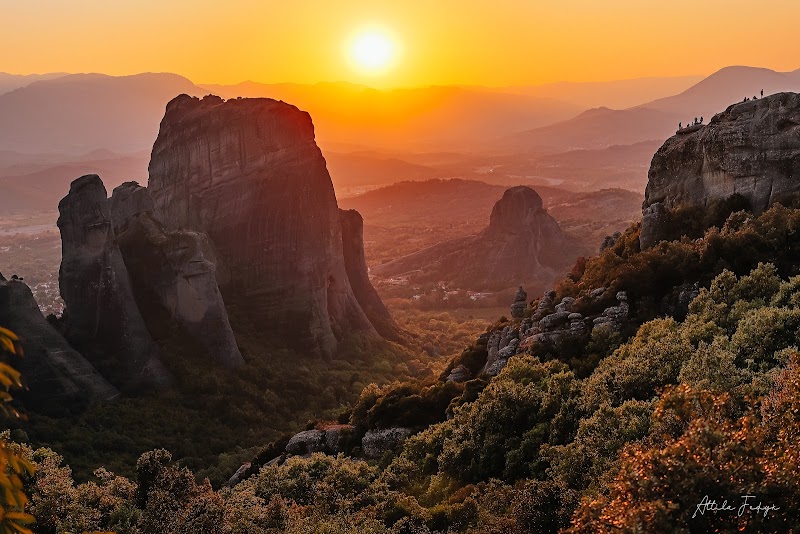
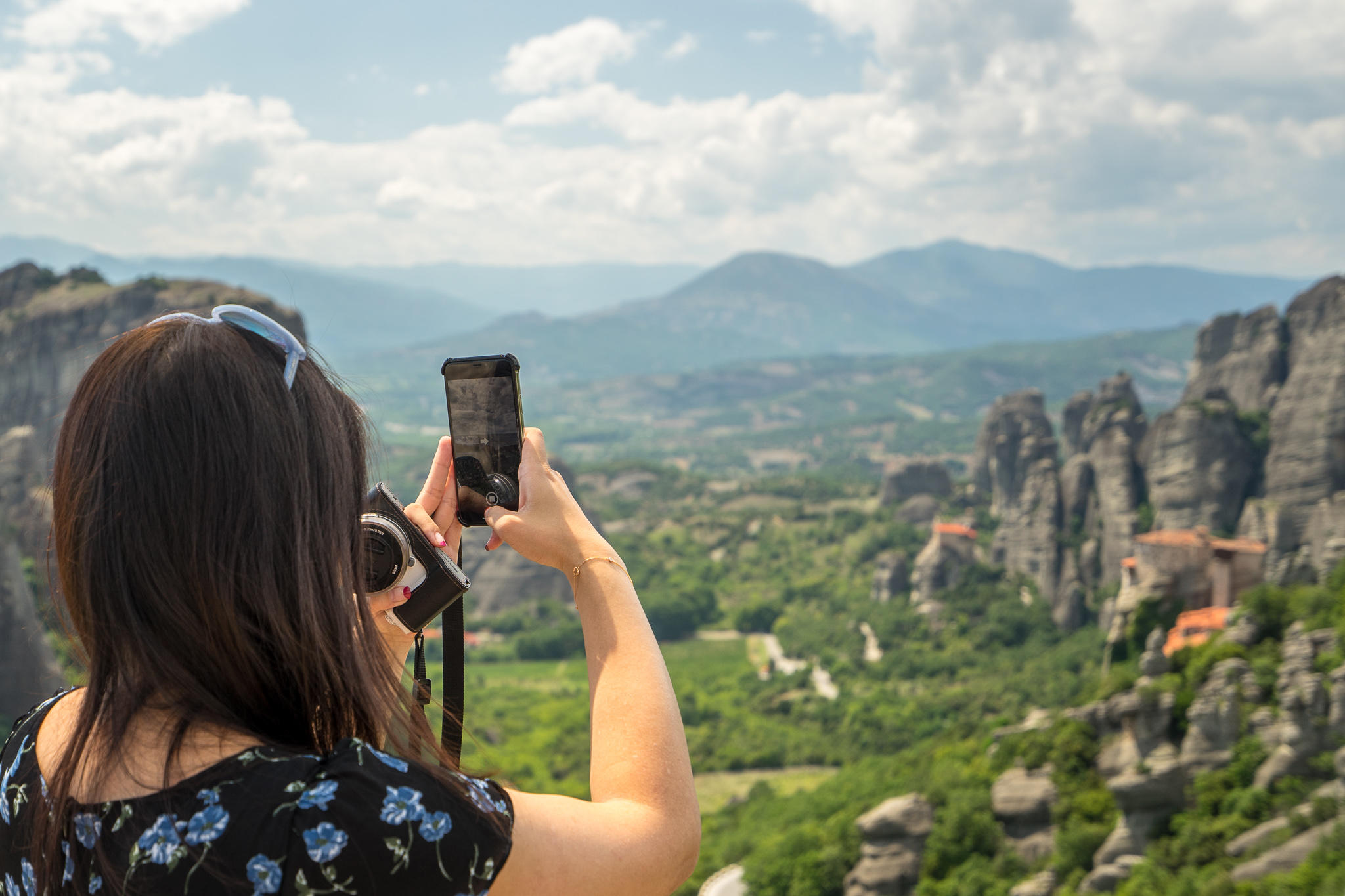
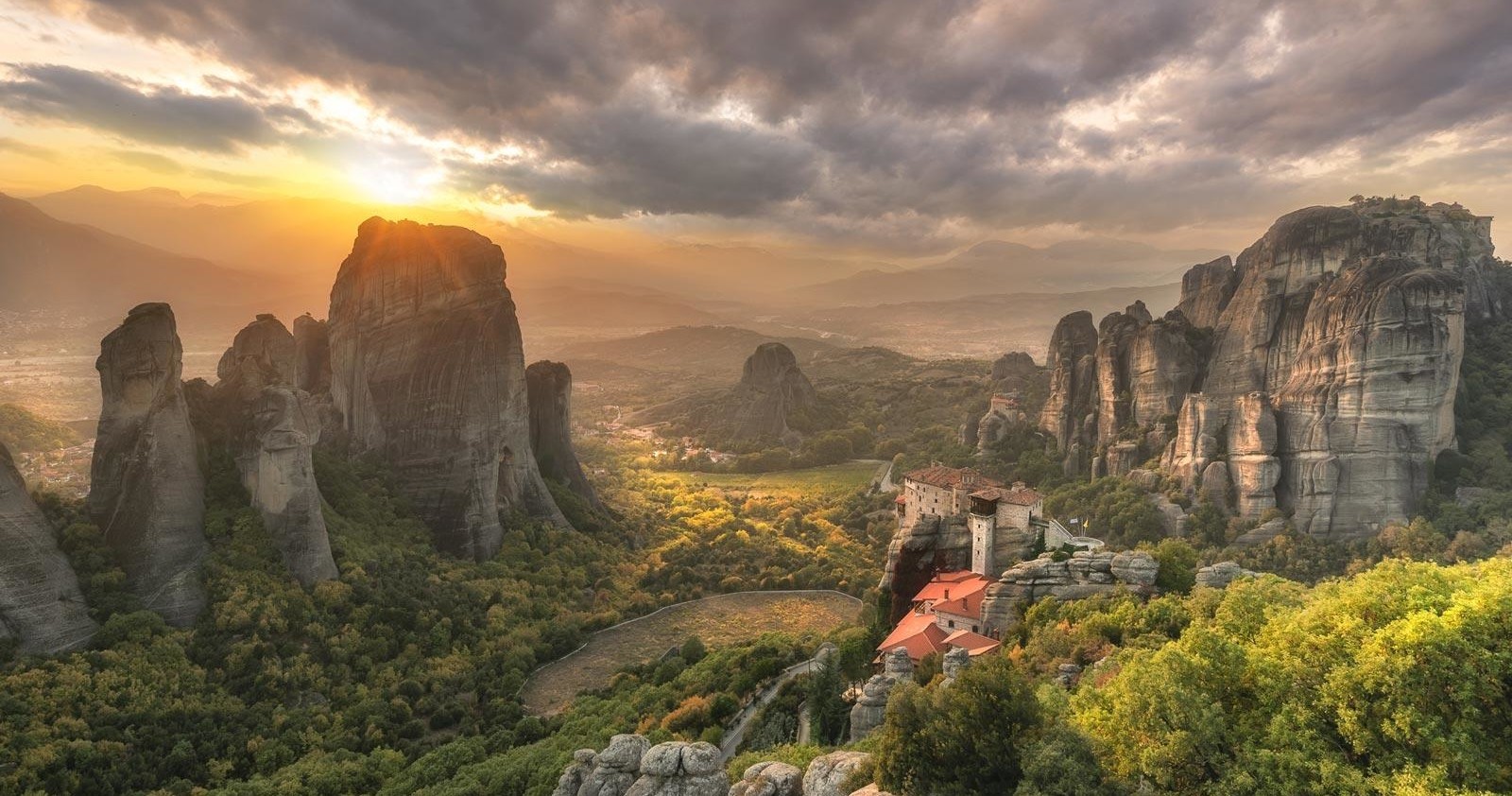
Meteora National Park is located in central Greece near the town of Kalambaka in the Thessaly region. It is renowned for its towering sandstone pillars, some rising over 400 meters, which host one of the largest and most important complexes of Eastern Orthodox monasteries in the world. The park's geological structure formed over millions of years through a combination of ancient seabed sedimentation, weathering, and erosion, resulting in rare, steep rock formations that create a striking and unique environment. Ecologically, the park supports diverse Mediterranean flora and fauna, including species adapted to rocky and cliff habitats. Historically, the monasteries were built from the 14th century onward by monks seeking solitude and protection from political upheaval. Today, six monasteries remain active and open to visitors, showcasing Byzantine architecture, religious iconography, and centuries-old artifacts. Besides spiritual and cultural tourism, Meteora is an internationally acclaimed destination for rock climbing, with hundreds of routes of varying difficulty, attracting climbers worldwide. Hiking trails wind through the park, offering panoramic views of the rock pillars, monasteries, and the surrounding plains. The area appeals to photographers, nature lovers, history buffs, and outdoor enthusiasts looking for a combination of natural beauty and cultural heritage. Visitors can explore local villages, visit museums, and enjoy Greek cuisine while experiencing one of Europe's most extraordinary landscapes.