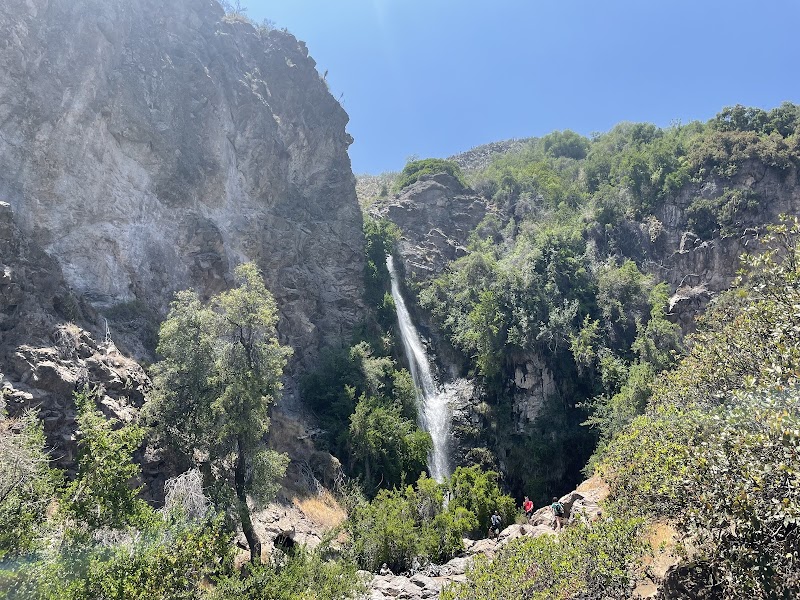
Wilderness Landscape & Natural Heritage
The protected natural corridor of Chile’s central biome stretches across multiple regions in central Chile, bridging fragmented remnants of sclerophyllous and deciduous forests characteristic of a Mediterranean climate. This corridor serves as an ecological bridge linking protected areas such as La Campana National Park and Radal Siete Tazas National Park, allowing native flora and fauna to migrate, reproduce, and maintain genetic diversity. The region is notable for its diverse plant communities dominated by endangered species like the Chilean wine palm (Jubaea chilensis) and the endangered Chilean myrtle (Luma apiculata). The protected corridor encompasses a mix of forest patches, shrublands, and riparian zones shaped by Mediterranean climatic conditions with wet winters and hot, dry summers. Visitors are attracted to the area's extensive hiking opportunities along interconnected trails, birdwatching spots with species like the Chilean tinamou and Magellanic woodpecker, and scenic river valleys. Notable landmarks within or near the corridor include Cerro La Campana, famous for its association with Charles Darwin’s explorations, and the Paine River basin with its stunning waterfalls. The corridor was established to address ongoing habitat fragmentation due to agriculture and urban expansion, securing ecological connectivity and enhancing conservation efforts. Its proximity to urban centers like Valparaíso and Santiago makes it a popular destination for ecotourism and outdoor recreation, appealing both to day users and overnight campers. Efforts to maintain trails and promote sustainable visitor impact are ongoing to preserve the fragile Mediterranean ecosystem.