Wilderness Landscape & Natural Heritage
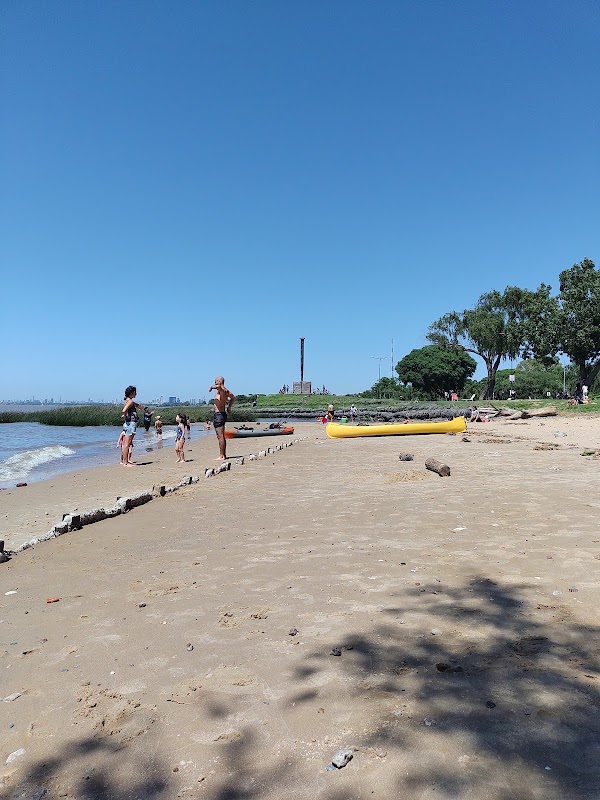
The Paraná River Delta is a sprawling river delta formed where the Paraná River branches into a complex maze of waterways before merging into the Río de la Plata estuary. Spanning parts of the Argentine provinces of Buenos Aires, Entre Ríos, and Santa Fe, the delta covers approximately 14,000 square kilometers and features thousands of islands, marshes, and floodplains. Its unique geography is characterized by a dynamic landscape shaped by sediment deposition, seasonal flooding, and tidal influences. The delta is home to diverse ecosystems including freshwater marshes, dense riparian forests, reed beds, and lagoons, making it a critical refuge for a wide variety of fauna such as capybaras, marsh deer, otters, caimans, and over 300 bird species, including herons, ibises, and kingfishers.
Historically, the Paraná Delta has been vital for local livelihoods, supporting fishing, small-scale agriculture, and navigation routes. Today, it offers numerous recreation opportunities such as kayaking through labyrinthine channels, birdwatching, freshwater fishing, and eco-tourism in rustic lodges. Notable landmarks include the historic town of Tigre, a gateway to the delta, and Isla Martín García, a natural and historical reserve island. Visitors often explore the tranquil waterways by boat or hike on limited trails through protected natural areas to experience the biodiversity and serene environment. The blending of natural beauty and cultural heritage makes the Paraná River Delta a unique destination for nature lovers and outdoor enthusiasts.