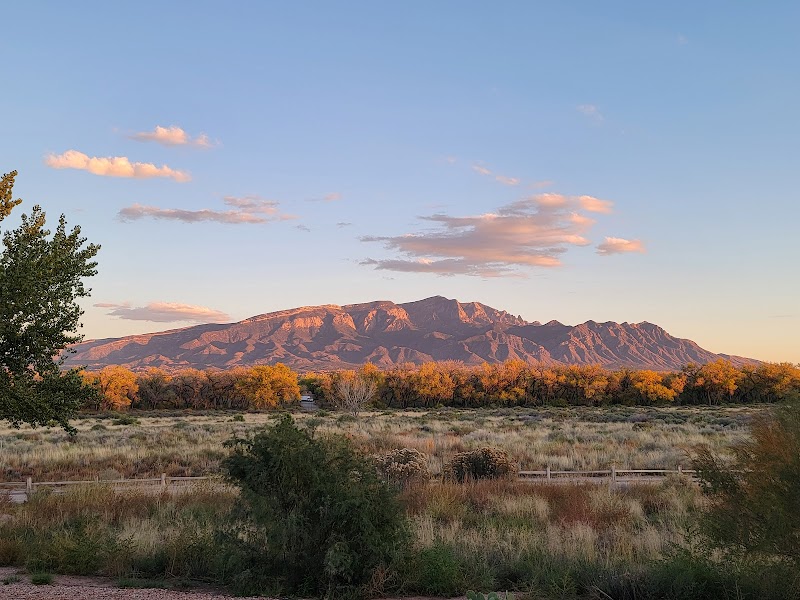
Wilderness Landscape & Natural Heritage
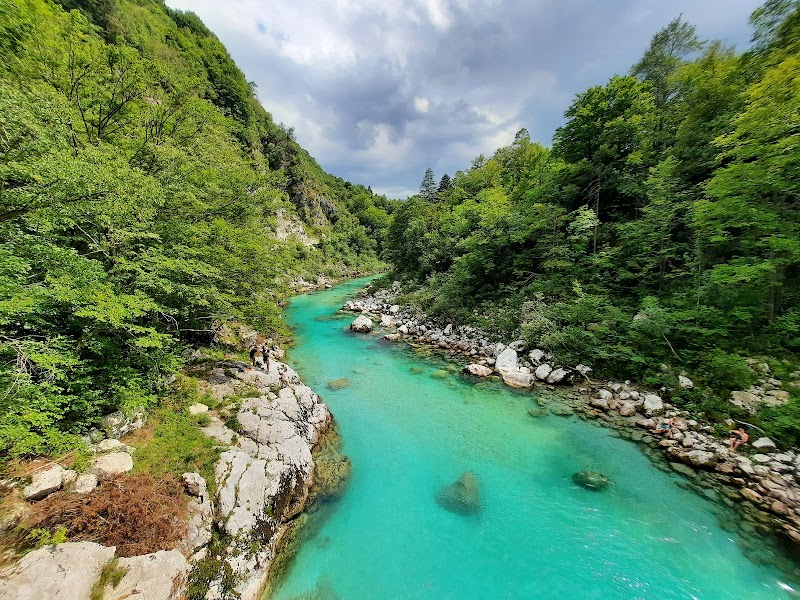
The Ljubljanica River Basin Wetlands encompass an extensive network of floodplains, marshes, peatlands, and riparian habitats that characterize the lower basin of the Ljubljanica River in central Slovenia. This complex wetland area stretches along the river’s course through the Ljubljana Marshes and adjacent lowlands, playing a crucial role in water regulation, biodiversity support, and landscape connectivity. The geography is defined by flat to gently undulating terrain with a mosaic of wet meadows, sedge beds, alder carrs, and open waterbodies that provide habitats for numerous species of flora and fauna. Ecologically, the wetlands serve as breeding grounds for rare amphibians, fish, and invertebrates, while the rich vegetation supports many migratory and resident bird populations, including herons, bitterns, and various waterfowl. Historically, the Ljubljanica Basin has been a hub of prehistoric settlement, evidenced by archaeological findings dating back to the Neolithic era, with the waterway itself historically used for transportation and sustenance. Key recreational opportunities within the wetlands focus on non-intrusive activities such as birdwatching, hiking on established nature trails, guided canoe trips on the river, and photography. Notable landmarks within the basin include the Ljubljanica River’s distinctive meanders, the Trebnje Peatlands, and the nearby Ljubljana Marshes Landscape Park which protects parts of the basin. Visitor appeal lies in the tranquil natural scenery, abundant wildlife, and the educational potential to understand wetland ecosystems and human-nature interaction in a European context.