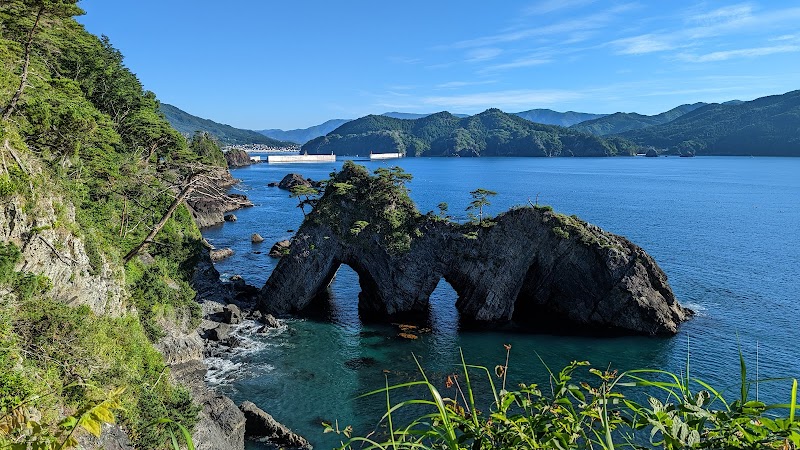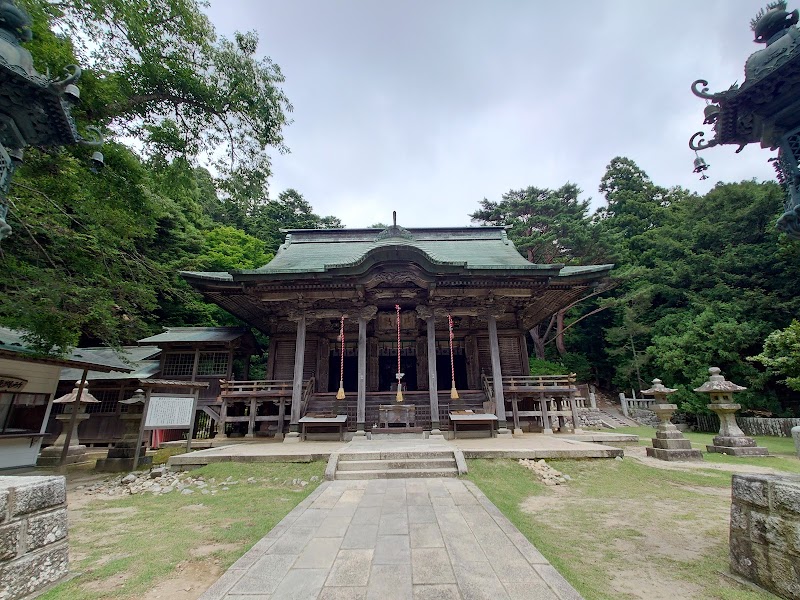
Mangokuura Lagoon Wetlands wilderness guide
Protected Wetland Area · Miyagi Prefecture, Japan

Mangokuura Lagoon Wetlands

Mangokuura Lagoon Wetlands is a coastal wetland ecosystem along Japan’s northeastern Pacific coast known for its rich biodiversity and vital role in supporting migratory birds and local fisheries.

Protected Wetland Area1,200 acres4+ Trails

Designation

Protected Wetland Area

Total Wilderness Area

1,200 acres

Elevation / Terrain

Diverse Wilderness

Field Editorial Guide

About Mangokuura Lagoon Wetlands

Mangokuura Lagoon Wetlands is a coastal wetland ecosystem along Japan’s northeastern Pacific coast known for its rich biodiversity and vital role in supporting migratory birds and local fisheries.

Wilderness Landscape & Natural Heritage

Mangokuura Lagoon Wetlands are situated along the Sanriku Coast in Miyagi Prefecture, Japan. This coastal lagoon and its adjacent tidal marshes form an important ecological zone where freshwater from rivers meets the Pacific Ocean’s saline waters. The wetlands cover a mix of mudflats, salt marshes, and reed beds that support a diverse range of plant and animal species. The area provides critical habitat for hundreds of bird species, including migratory waterfowl and shorebirds, making it a favored spot for birdwatching. Among key species are various ducks, herons, and plovers, some of which are protected under international conservation treaties. Aside from wildlife, the wetlands are integral to local fisheries, particularly for shellfish and seaweed cultivation, reflecting the strong connection between natural ecosystems and local communities. Historically, Mangokuura Lagoon has played a role in coastal management and flood control. Recreational opportunities include nature observation, photography, and limited hiking along designated paths. Visitors are drawn to the tranquil setting, especially during migratory seasons in spring and autumn when bird activity peaks. Careful management and conservation efforts have been implemented to balance human use with ecological preservation. Seasonal flooding and typhoon impacts influence the landscape’s dynamics, providing an ever-changing environment that supports both resident and transient species. Education initiatives emphasize the lagoon’s significance in biodiversity conservation and its function as a natural buffer against climate-related hazards.
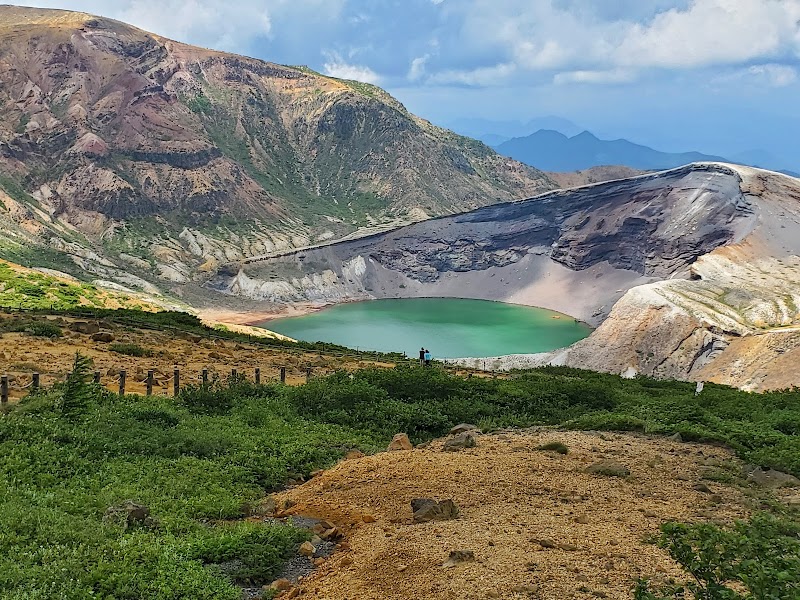
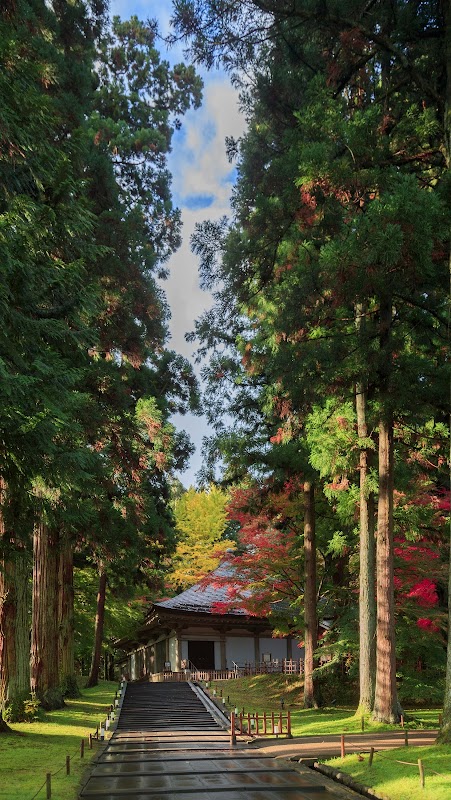
Field Guide · Protected Wetland Area
Adventure Destinations

Notable Destinations Near Mangokuura Lagoon Wetlands

Scenic viewpoints, outdoor landmarks, and notable points of interest within 60 miles.

Key Wilderness Highlights

Mangokuura Observation Deck with panoramic lagoon and birdwatching viewsSalt marsh ecosystem supporting rare coastal floraMigratory bird staging area recognized under the Ramsar ConventionReed bed trails offering quiet wildlife viewing opportunities
Wilderness Recreation

Outdoor Adventures in Mangokuura Lagoon Wetlands

Explore curated guides for top outdoor sports, trail networks, and wilderness activities.

Park Recreation

Hiking

Available in Mangokuura Lagoon Wetlands
Park Recreation

Wildlife Viewing

Available in Mangokuura Lagoon Wetlands
Park Recreation

Photography

Available in Mangokuura Lagoon Wetlands
Park Recreation

Fishing

Available in Mangokuura Lagoon Wetlands
Park Recreation

Paddle Sports

Available in Mangokuura Lagoon Wetlands
The Ranger Station

Visitor Logistics & Essential Planning

Everything you need to know about entrance passes, seasons, visitor centers, road transit, and wildlife safety in Mangokuura Lagoon Wetlands.

Passes & Fees

Entrance Requirements & Interagency Passes

Free public access; no permits required

Wilderness Checklist

Carry paper topographic map & compass in remote zones.
Store all food and scented items in approved bear canisters.
Check wildfire / smoke advisories before backcountry departure.
Pack out everything you pack in (Leave No Trace).
Adventure Basecamps

Gateway Towns Near Mangokuura Lagoon Wetlands

Stay, dine, and gear up in these mountain towns and scenic basecamps surrounding the park.

Ishinomaki, Miyagi
6.67 miles
Gateway Basecamp

Ishinomaki, Miyagi

Ishinomaki offers coastal hiking, sea kayaking, and cycling amid serene lagoons and island landscapes. Rich in nature and culture, it’s an appealing base for outdoor lovers exploring Japan’s northeastern shores.

Spring to Early Autumn
Explore Town
Sendai, Miyagi
32.55 miles
Gateway Basecamp

Sendai, Miyagi

Sendai, Miyagi combines urban life with nature access, offering adventures in hiking, biking, and winter sports. Scenic bays, historic sites, and lush mountains make it a great spot for outdoor enthusiasts.

Spring and Fall
Explore Town
Rikuzentakata, Iwate
41.50 miles
Gateway Basecamp

Rikuzentakata, Iwate

Rikuzentakata is a coastal town known for its restored pine groves, tranquil kayaking spots, and peaceful hiking trails. Outdoor lovers can enjoy cycling, bird watching, and seaside camping in a quiet, nature-focused setting shaped by resilience.

Late Spring to Early Autumn
Explore Town
Hiraizumi, Iwate
41.82 miles
Gateway Basecamp

Hiraizumi, Iwate

Hiraizumi in Iwate is an idyllic escape offering a unique blend of history and nature. Enjoy hiking, cultural walks, and snowshoeing amid serene landscapes and ancient temples.

Spring and Autumn
Explore Town
Ofunato, Iwate
47.16 miles
Gateway Basecamp

Ofunato, Iwate

Ofunato in Iwate blends rugged coastlines with tranquil forests, offering kayaking, hiking, and more. A hidden gem for adventurers seeking solitude.

Spring and Fall
Explore Town
Expert-Led Wilderness Expeditions

Guided Experiences in Mangokuura Lagoon Wetlands

Explore scenic backcountry routes and epic wilderness adventures with certified local mountain guides, naturalists, and outfitters.