Wilderness Landscape & Natural Heritage
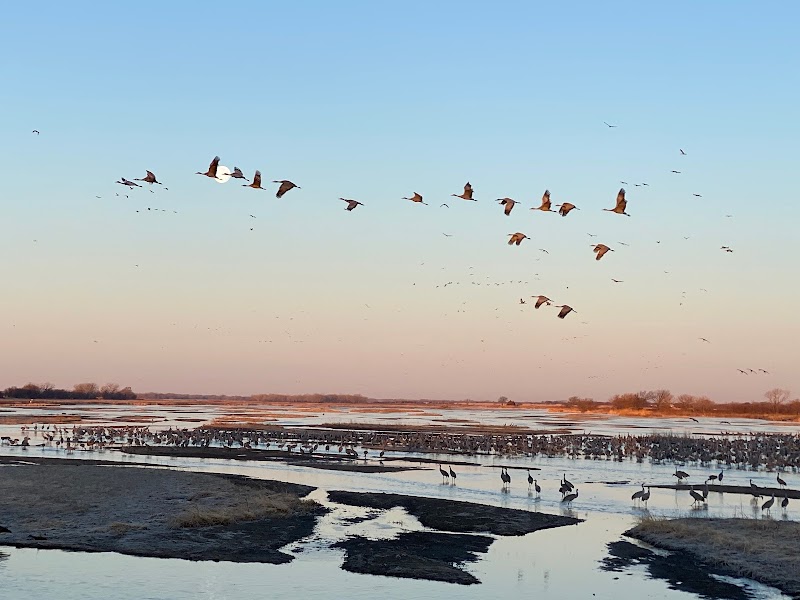
Bureau of Land Management (BLM) forestlands cover millions of acres primarily in the western United States, including states like Alaska, California, Oregon, Colorado, and Nevada. These forested tracts vary widely in landscape, from coniferous forests in the Pacific Northwest and Rocky Mountains to pinyon-juniper woodlands in the Southwest. The BLM manages these lands for multiple uses, including sustainable timber harvest, wildlife habitat conservation, recreation, and watershed protection. Ecologically, BLM forestlands support species such as black bears, elk, mule deer, and numerous bird species, which thrive in the mosaic of forest types, riparian zones, and shrublands. Several designated wilderness areas and national monuments overlap BLM forestlands, preserving important cultural and natural resources. Outdoor enthusiasts are drawn to these lands for their extensive trail systems, dispersed camping options, and solitude compared to more heavily trafficked federal forests. Key recreation opportunities include hiking, mountain biking, horseback riding, hunting, fishing, and off-highway vehicle use on designated routes. Notable landmarks within these forestlands often highlight historic mining sites, Native American cultural areas, and unique geological features such as ancient lava flows and alpine ridges. The BLM's role in forest conservation balances public access with stewardship responsibilities, ensuring forest restoration projects and wildfire mitigation efforts support long-term ecological health. Visitors appreciate the wide-open spaces, diverse habitats, and numerous backcountry experiences that BLM forestlands provide, making them a valued complement to national parks and national forests in the region.


